Introduction
Understanding the true origin of chronic facial pain, unexplained headaches, and premature tooth aging requires looking beyond standard dental cavities. Many destructive oral conditions do not announce themselves with sudden, localized toothaches; instead, they unfold quietly during sleep or moments of intense concentration. Recognizing the mechanisms behind unconscious jaw muscle hyperactivity is the essential first step toward safeguarding your teeth, muscles, and overall physical balance.
Why Bruxism Is an Underestimated Problem
In daily clinical practice, we frequently meet patients who are astonished to learn that their worn enamel or persistent morning fatigue stems from teeth grinding. The most common reaction is disbelief: because nocturnal bruxism occurs during sleep, individuals remain completely unaware of the immense muscular forces they generate at night. This lack of awareness leads people to normalize morning jaw stiffness or attribute recurring headaches to other causes, postponing specialist evaluation until significant structural damage has already occurred.
The Hidden Toll of Unconscious Jaw Clenching
There is a silent mechanical overload capable of wearing down the strongest tissues in the human body while disrupting restorative rest. Bruxism subjects teeth, periodontal ligaments, and the temporomandibular joint to continuous, non-functional forces far exceeding those of normal chewing. Addressing this disorder requires a broader clinical perspective: grinding your teeth is not merely a harmless nervous habit—it is a complex neuromuscular condition that compromises dental integrity, sleep quality, and postural harmony.
Hidden Symptoms: Tooth Wear, Headaches, Cervical Tension
The clinical presentation of bruxism extends well beyond the oral cavity, producing a constellation of symptoms that often puzzle both patients and general practitioners. When sustained muscular contraction becomes chronic, the resulting strain radiates across interconnected anatomical chains. Examining these diverse warning signs helps explain why an untreated dental parafunction can manifest as upper-body discomfort.
Micro-Fractures, Enamel Erosion, and Dental Sensitivity
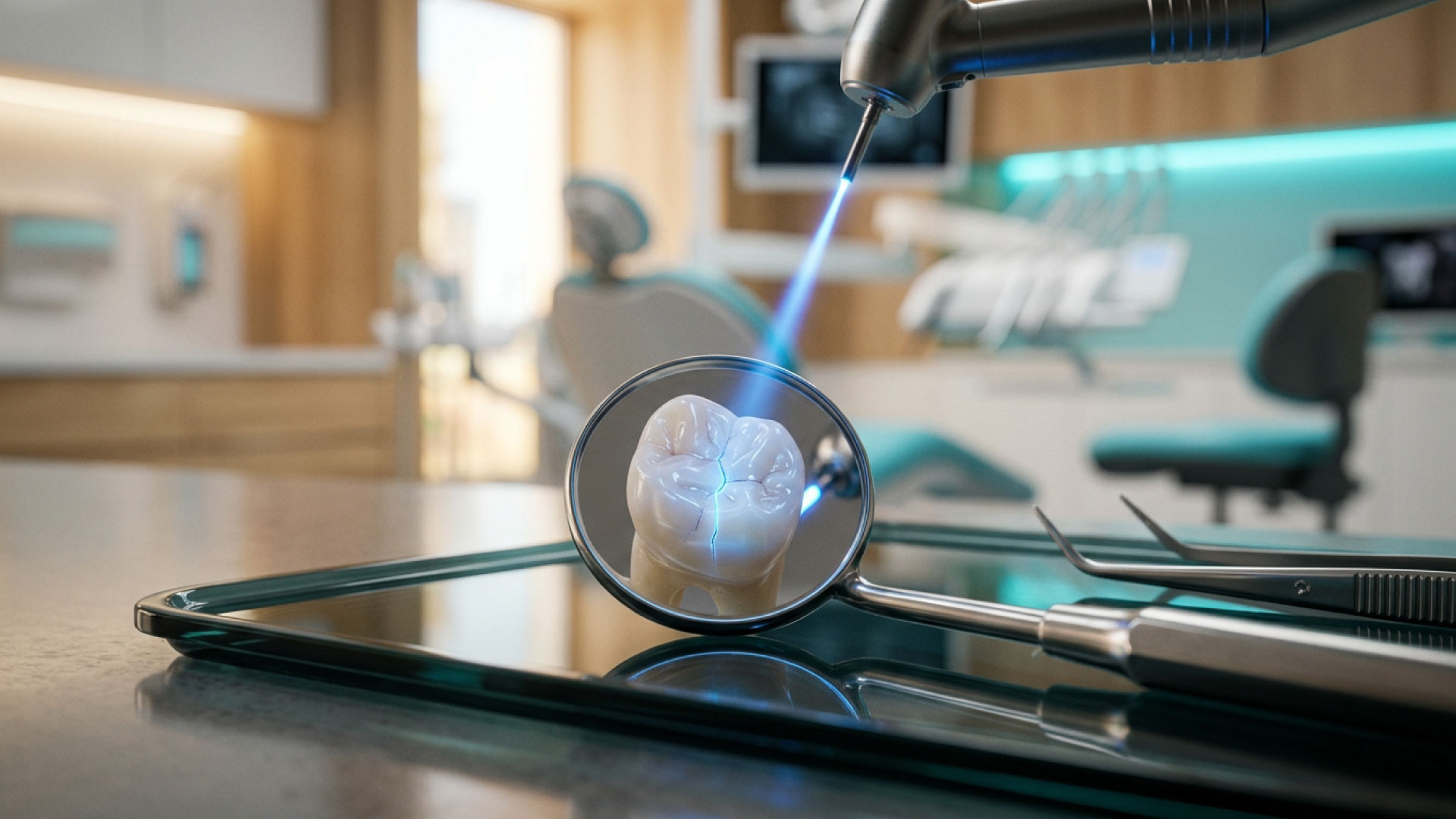
Unlike acute dental trauma caused by a sudden impact, bruxism erodes tooth structure gradually through repetitive friction and extreme occlusal pressure. Over time, the protective outer layer of enamel thins out, flattening the biting surfaces of molars and creating subtle micro-fractures or chipped edges on front teeth. As the underlying dentin becomes exposed, patients begin experiencing sharp sensitivity to cold, heat, or sweet stimuli, alongside an increased vulnerability to restoration failure and gum recession.
Morning Headaches, Facial Fatigue, and Cervical Stiffness
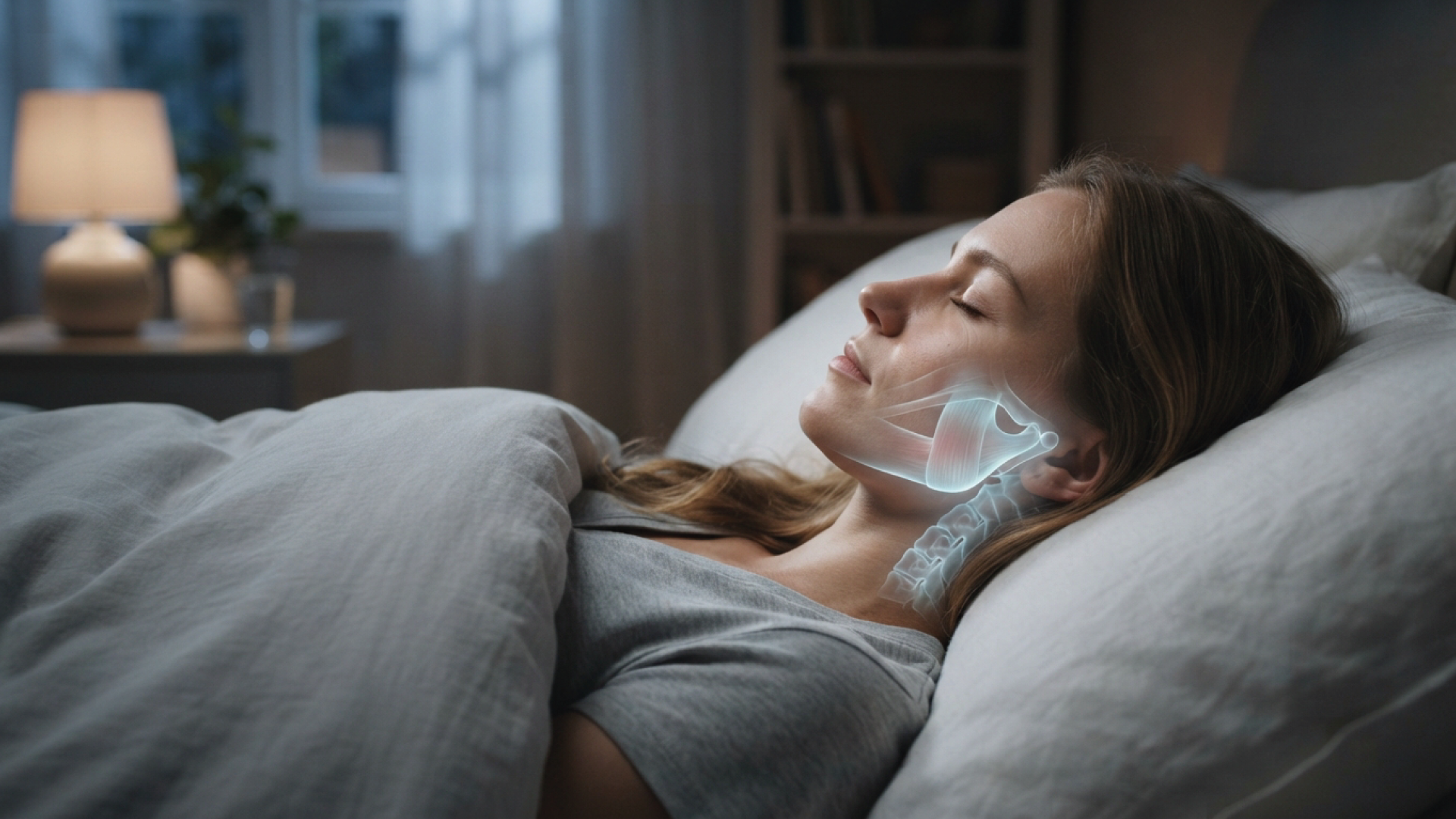
The true reach of this disorder becomes evident when examining the surrounding musculature. Throughout the night, the masseter and temporalis muscles remain locked in prolonged isometric contraction, leading to waking tension headaches concentrated around the temples and forehead. Because the jaw shares deep biomechanical and neurological connections with the upper spine, this constant overload frequently triggers tightness in the neck, shoulders, and cervical spine, leaving patients exhausted despite a full night in bed.
Real Causes: Stress, Occlusion, Breathing, Posture
The onset of teeth grinding and clenching rarely stems from a single isolated trigger; rather, it reflects an intricate interplay between psychological, anatomical, and physiological factors. Neurochemical arousal during sleep, bite mechanics, airway patency, and body alignment all influence how the central nervous system regulates jaw activity. Analyzing these underlying drivers is key to moving past temporary symptom relief and targeting the root of the dysfunction.
The Impact of Chronic Stress and Sleep Architecture
To understand why the brain triggers rhythmic jaw contractions at night, one must look at the nervous system’s response to emotional and physical overload. Elevated levels of chronic stress, anxiety, and accumulated daily tension heighten central nervous system excitability, causing micro-arousals that fragment deep sleep stages. During these brief transitions in sleep architecture, motor pathways connected to the trigeminal nerve activate involuntarily, turning the jaw into a physical release valve for unresolved neurological stress.
Occlusal Disharmony, Airway Obstruction, and Postural Imbalances
Structural and respiratory dynamics also play a decisive role. Malocclusions, premature dental contacts, or poorly balanced fillings can interfere with natural jaw closure, prompting the musculature to grind in search of a stable resting position. Furthermore, nocturnal breathing disturbances—such as snoring or obstructive sleep apnea—often trigger forward jaw thrusting and clenching as a protective reflex to reopen compromised airways, while forward-head posture alters cranial balance and increases resting tension across the entire stomatognathic system.
Modern Diagnosis: Night Guards, Functional Analysis, Imaging
When a parafunctional habit operates largely outside conscious awareness, a quick visual glance at the teeth proves insufficient to map its full impact. Uncovering the exact biomechanical forces at play requires precision diagnostic protocols and functional assessment tools. Only through a comprehensive, structured evaluation is it possible to measure muscular strain, evaluate joint health, and design a truly effective intervention.
Clinical Examination, Functional Analysis, and Diagnostic Night Guards
Overcoming diagnostic uncertainty begins with a thorough functional assessment of the masticatory system. During the examination, the clinician evaluates specific wear facets on the enamel, palpates the chewing and cervical muscles for trigger points, and checks the temporomandibular joint for clicking or restricted movement. In selected cases, a diagnostic night guard or bruxism monitoring device is used to track nocturnal grinding patterns and verify how the jaw responds when freed from interfering tooth contacts.
Digital Scanning and Targeted Imaging of the Temporomandibular Joint
Modern diagnostic precision is further enhanced by advanced digital workflows. High-resolution 3D intraoral scans allow clinicians to create an exact digital baseline of tooth anatomy, enabling millimeter-accurate monitoring of progressive enamel loss over time. When joint pain, locking, or structural remodeling is suspected, targeted radiographic imaging—such as panoramic radiographs or CBCT scans of the temporomandibular joint—provides clear visualization of condylar position and bone integrity.
Integrated Therapies: Dentistry, Physiotherapy, Stress Management
Once bruxism and its contributing factors are clearly identified, the therapeutic strategy must go beyond simply placing a barrier between the teeth. Protecting compromised enamel while relaxing overworked muscles requires a coordinated, multidisciplinary approach. Lasting clinical stability relies on combining precision dental appliances with targeted physical rehabilitation and behavioral regulation.
Custom Occlusal Splints and Conservative Dental Rehabilitation
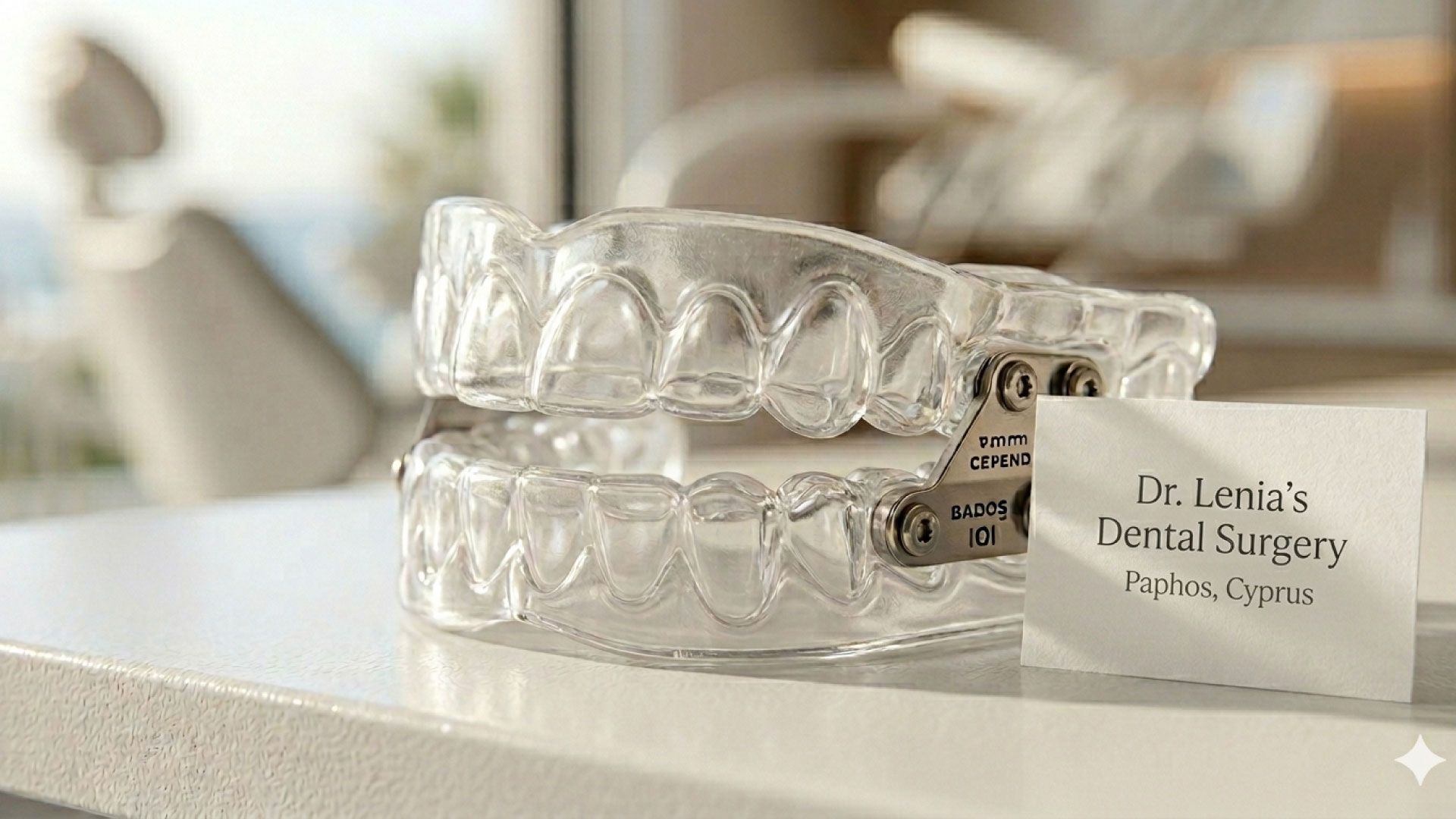
The cornerstone of dental protection is a custom-fabricated occlusal splint (bite guard), engineered from digital impressions to fit the patient’s exact arch anatomy. Unlike generic over-the-counter boil-and-bite guards—which can worsen muscle activity—a professionally calibrated resin splint distributes occlusal forces evenly, guides the jaw into an orthopedic resting position, and shields enamel from further attrition. Where significant tooth structure has already been lost, minimally invasive adhesive restorations rebuild proper vertical dimension and restore harmonious bite contacts.
Multidisciplinary Synergy: Physiotherapy and Stress Regulation
Because bruxism involves the whole neuromuscular chain, dental care achieves its highest success when paired with complementary therapies. Specialized craniomandibular physiotherapy helps release myofascial trigger points, restore normal joint mobility, and correct cervical and postural imbalances. Alongside physical therapy, targeted stress-management practices—such as diaphragmatic breathing, sleep hygiene optimization, and behavioral relaxation techniques—reduce nocturnal nervous system arousal and address the central triggers of clenching.
When to Intervene and What to Expect
Knowing when to seek professional help can make the difference between simple preventive protection and complex full-mouth rehabilitation. Because tissue wear accumulates silently over years, waiting for severe tooth pain or jaw locking often means intervening at an advanced stage. Recognizing early subtle cues allows patients to begin conservative treatment promptly and enjoy predictable, long-term relief.
Recognizing Early Warning Signs Before Irreversible Damage
Early intervention becomes essential as soon as subtle functional clues appear. Waking up with tight cheeks, noticing flattened edges on canine teeth, experiencing unexplained sensitivity to cold drinks, or hearing soft clicking sounds near the ears are all clear signals that warrant a specialist checkup. Addressing these indicators early prevents fractures of natural teeth and existing crowns, spares the temporomandibular joint from chronic inflammation, and halts the cascade of tension headaches.
Timeline of Relief and Long-Term Protection
Patients beginning an integrated bruxism management protocol typically notice meaningful improvements within the first few weeks. Wearing a properly balanced custom night guard rapidly reduces morning jaw fatigue and eases tension headaches by allowing hyperactive muscles to decompress overnight. Over the following months, periodic follow-up adjustments refine bite harmony and ensure ongoing protection, preserving natural tooth structure, restorative sleep, and effortless posture for years to come.
Conclusion
Living with unrecognized bruxism places a heavy, continuous strain on your teeth, sleep architecture, and musculoskeletal balance. The absence of acute tooth pain should never be mistaken for a sign that nocturnal clenching is harmless. Early diagnosis—supported by functional clinical analysis, digital diagnostics, and an integrated therapeutic plan—is the most reliable way to halt enamel destruction and restore physical comfort. Scheduling a specialist evaluation is the essential step to protect your smile, relax your musculature, and reclaim your daily quality of life.