Introduction
Restful sleep represents the foundation of human health, yet millions of individuals worldwide spend their nights fighting a silent, suffocating battle without even realizing it. When we think about dental health, our minds naturally drift toward cavities, gum care, and the brilliance of a smile. However, the human mouth is the gateway to the respiratory system, and the structural alignment of the jaws, tongue, and soft tissues dictates how smoothly we breathe during the night. As dental professionals, we often look beyond the surface of the teeth to evaluate the wider picture of systemic well-being. Obstructive sleep apnea treatment has evolved significantly over the past few years, shifting from a purely pulmonary concern into a collaborative medical discipline where advanced dental solutions play a frontline role in saving lives and restoring vitality.
What is Obstructive Sleep Apnea
Obstructive sleep apnea is a serious sleep disorder characterized by repeated pauses in breathing throughout the night. These interruptions occur when the muscles in the back of the throat relax excessively, allowing the soft palate, tonsils, or tongue to collapse backward and completely block the upper airway. When the brain detects a sudden drop in blood oxygen levels, it triggers a brief, survival-driven awakening to force the airway open, often accompanied by a loud gasp, snort, or choking sound. Because these micro-arousals last only a few seconds, most individuals have no conscious memory of them, even if they occur dozens of times every single hour. The result is a profoundly fragmented sleep architecture that leaves the individual feeling chronically exhausted, unfocused, and physically depleted upon waking.
The Hidden Red Flags
Recognizing the signs of this condition requires looking closely at daily patterns that many people dismiss as normal consequences of aging or stress. Chronic, loud snoring is the most notorious indicator, particularly when it is punctuated by sudden silences followed by choking sounds. Beyond snoring, individuals frequently report waking up with an intensely dry mouth, persistent morning headaches, or a sore throat. Daytime symptoms are equally debilitating, manifesting as severe afternoon fatigue, cognitive fog, irritability, and an inability to maintain concentration. When we consult with patients at Dr. Lenia’s Dental Surgery, we look at the complete clinical picture, evaluating how daytime lethargy and nightly disruptions align with specific physical indicators inside the mouth.
What the Dentist Notice During a Check-up
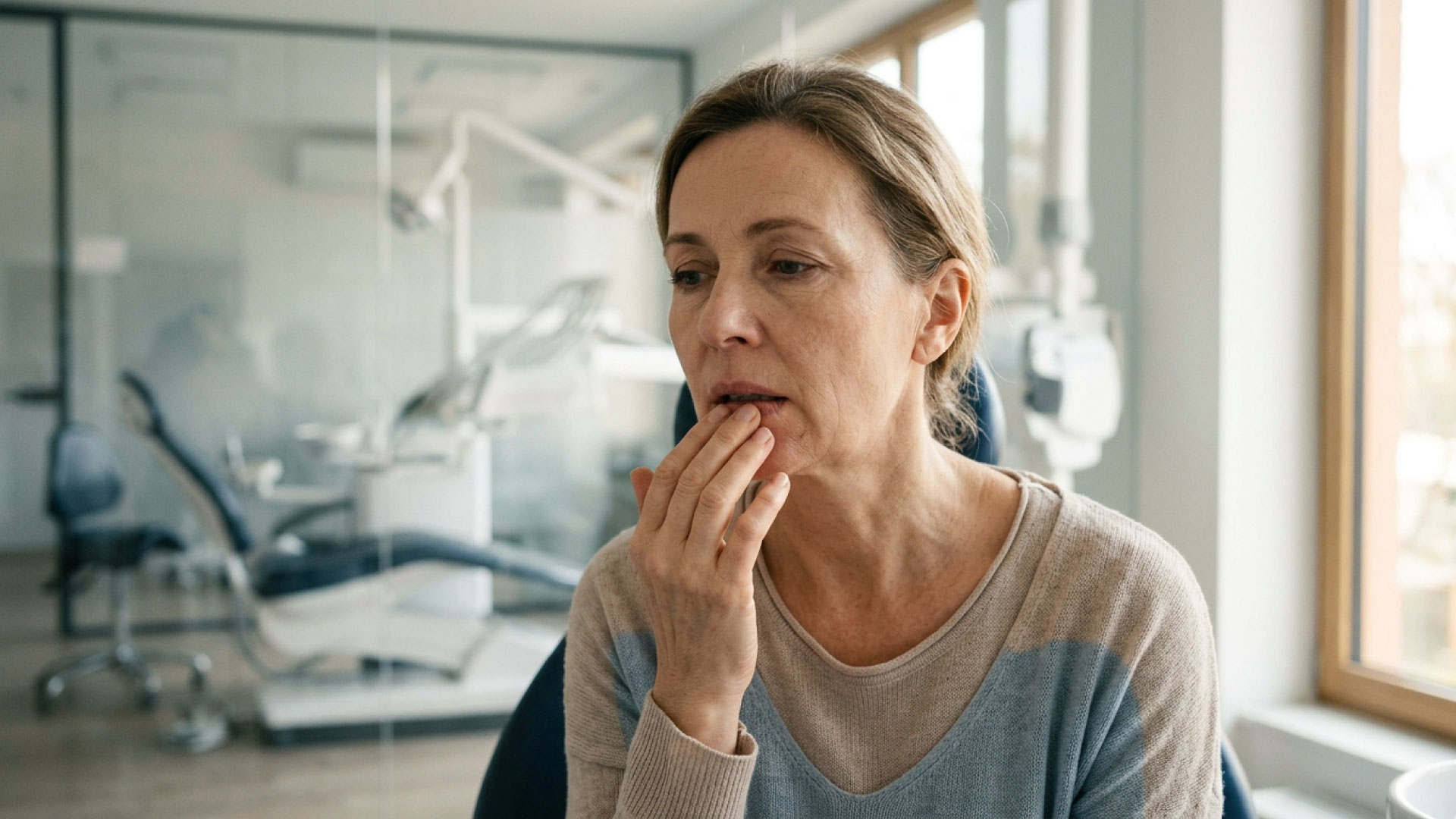
The dental chair provides a unique vantage point for early clinical intervention. Because routine dental examinations occur regularly, we are frequently the first healthcare providers to spot the anatomical anomalies and structural changes caused by sleep disorders. The oral cavity mirrors the nocturnal behavior of the upper airway, and the tissues themselves leave unmistakable clues of a nightly struggle for oxygen. By expanding our diagnostic focus beyond traditional tooth decay, we can identify high-risk patients long before they experience severe systemic complications, turning a standard dental check-up into an essential screening opportunity for sleep health.
Tooth Wear and Dental Attrition
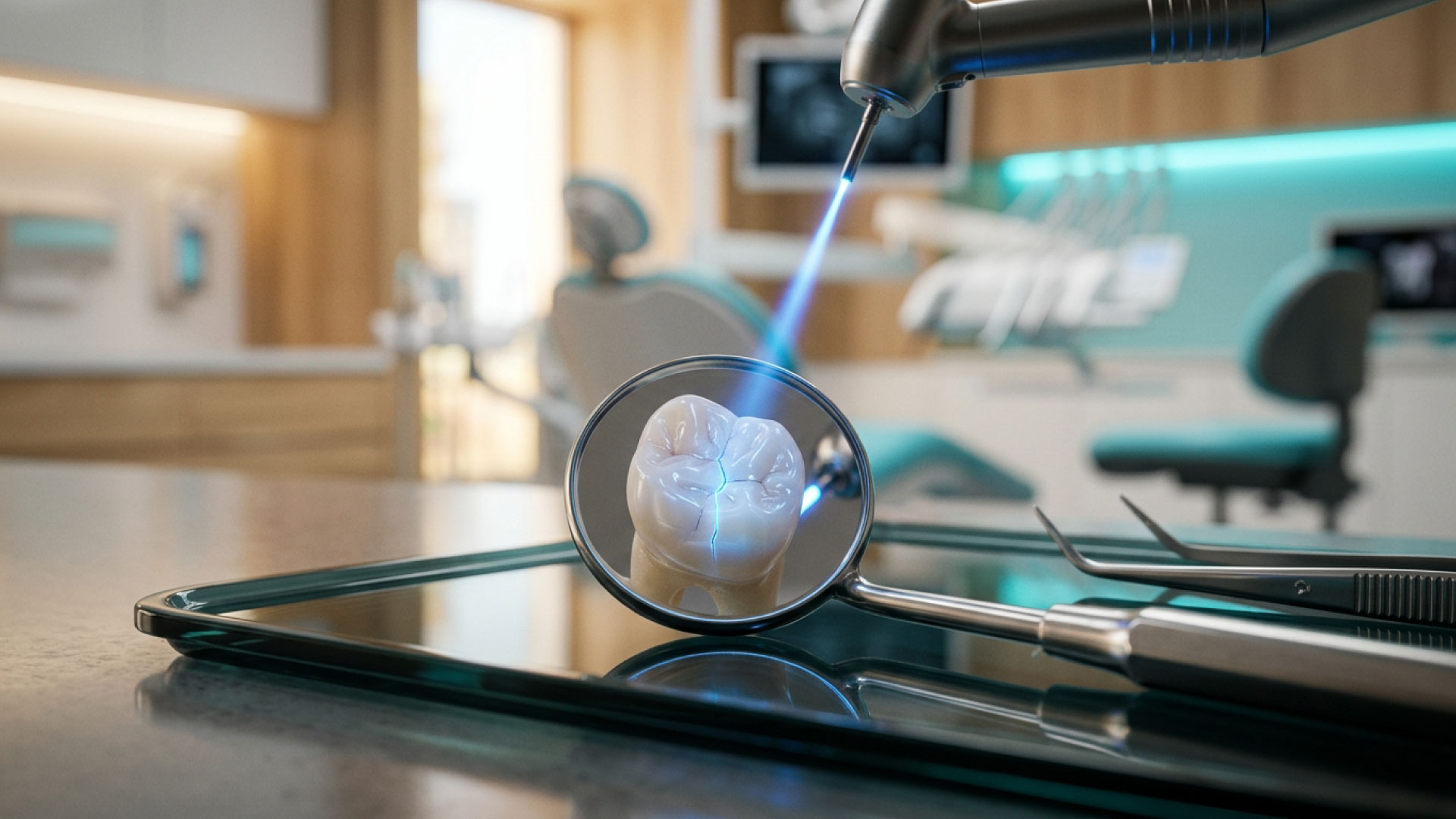
One of the most immediate indicators of an underlying airway issue is severe, unexplained tooth wear. Clinical studies have revealed a profound, bi-directional relationship between nocturnal airway collapse and severe bruxism, or teeth grinding. When the airway begins to close during sleep, the brain instinctively commands the masticatory muscles to contract, forcing the lower jaw forward in a desperate physiological attempt to reopen the throat. This repetitive, high-pressure grinding creates flat spots on the biting surfaces, fractures restorations, chips enamel, and causes teeth to become highly sensitive. When we observe accelerated dental attrition that seems disproportionate to a patient’s age or lifestyle, we immediately begin looking into their nighttime breathing patterns.
Soft Tissue Indicators
Beyond the hard structures of the teeth, the soft tissues of the mouth tell a compelling story about airway restriction. During an oral examination, we carefully assess the size of the tongue relative to the lower jaw, looking for scalloped edges, which occur when a large tongue is constantly pressed tightly against the teeth to clear the airway. We also evaluate the position of the soft palate and the uvula using standardized medical scales like the Mallampati score. A low-hanging soft palate, enlarged tonsils, a crowded pharyngeal space, or a long uvula all signify a narrow airway that is highly prone to collapse during muscle relaxation. Furthermore, frequent mouth breathing dries out the oral mucosa, leading to localized gum inflammation, particularly around the front teeth, which further raises our clinical suspicion.
Consequences on General Health: The Cost of Untreated Apnea
Ignoring the warning signs of sleep disordered breathing carries profound consequences that extend far beyond simple daytime tiredness. The human body requires stable oxygen levels and uninterrupted deep sleep cycles to regulate hormones, repair cardiovascular tissues, and process cognitive cellular waste. When obstructive sleep apnea is left unmanaged, the repeated cycles of oxygen deprivation and sudden adrenaline spikes place an immense, chronic strain on every vital organ system. It is no longer viewed merely as a sleep inconvenience, but rather as a destructive systemic catalyst that quietly erodes long-term health and shortens life expectancy.
Cardiovascular Strain and Hypertension
The cardiovascular system bears the heaviest burden of untreated airway blockages. Every time a breathing pause occurs, oxygen levels in the blood plunge, forcing the sympathetic nervous system into a state of high alert. This triggers a massive release of stress hormones like cortisol and adrenaline, causing the blood vessels to constrict and the heart rate to surge. Over time, this constant nocturnal turbulence causes sustained daytime hypertension, making the high blood pressure resistant to traditional medications. Clinical data shows that individuals with severe airway collapse face a vastly elevated risk of developing atrial fibrillation, suffering congestive heart failure, experiencing myocardial infarctions, or sustaining debilitating strokes.
Metabolic and Cognitive Decline
The systemic inflammation triggered by chronic sleep fragmentation profoundly alters the body’s metabolic profile. Sleep disruption alters the balance of hunger-regulating hormones, specifically raising ghrelin and lowering leptin, which drives intense sugar cravings, weight gain, and makes weight loss exceptionally difficult. This hormonal imbalance directly contributes to insulin resistance, significantly elevating the risk of developing Type 2 diabetes. Simultaneously, the lack of restorative deep sleep prevents the brain from clearing metabolic waste products through the glymphatic system. Over months and years, this manifests as chronic brain fog, severe memory lapses, clinical depression, heightened anxiety, and a significantly higher statistical risk of developing neurodegenerative diseases later in life.
Oral Appliances: The Modern Solution for Open Airways
For many years, the standard medical response to sleep breathing disorders was limited to continuous positive airway pressure machines, commonly known as CPAP. While highly effective in a laboratory setting, many patients struggle to tolerate the bulky masks, pressurized air, and loud background noise, leading to very low compliance rates. This clinical challenge has paved the way for advanced dental solutions that offer a highly effective, comfortable, and discreet alternative. As an experienced sleep apnea dentist, we design custom-made oral appliances that manage the airway directly from within the oral cavity, providing an elegant and non-invasive approach to rest.
Mandibular Advancement Devices
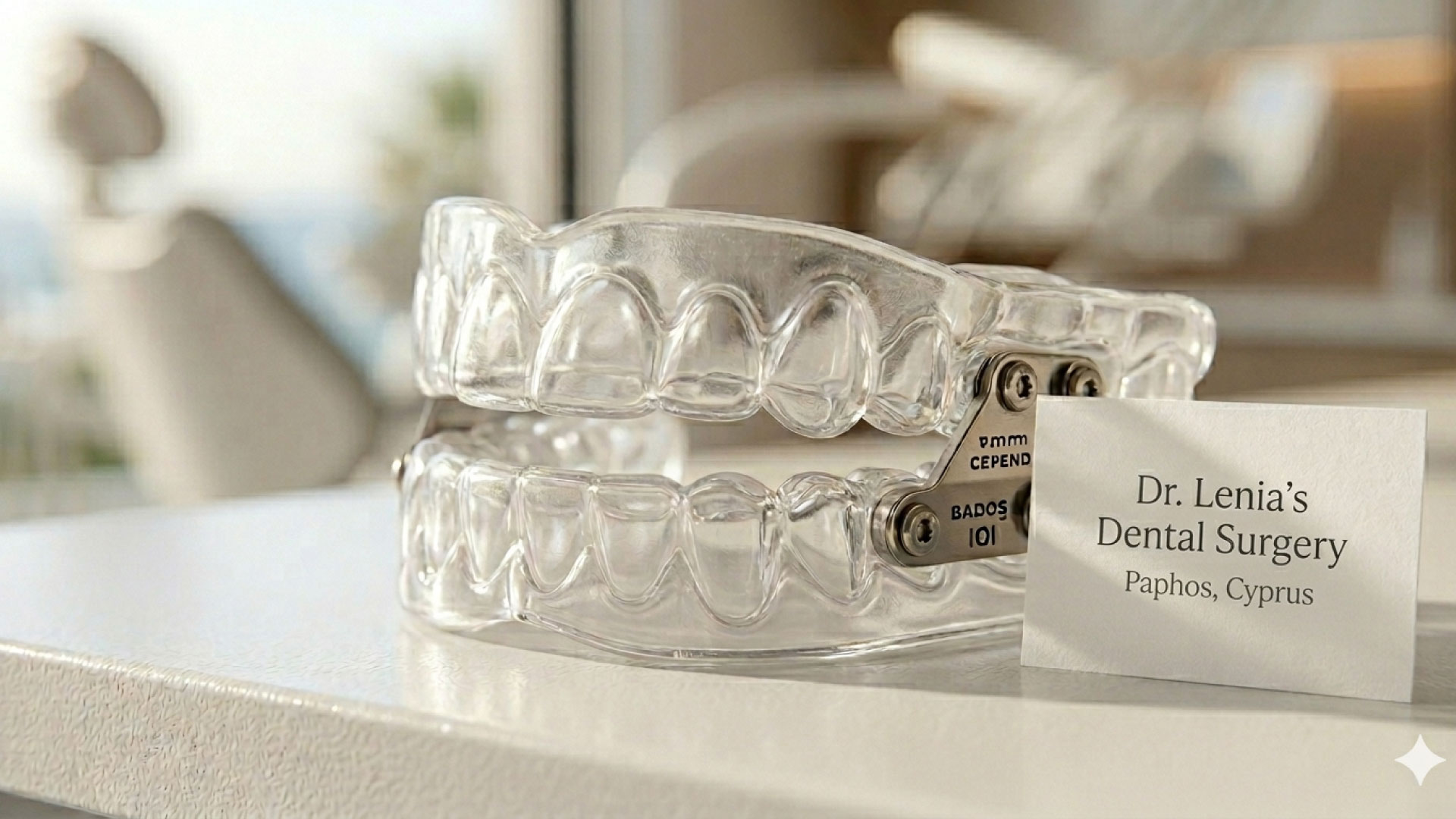
The primary dental solution for managing airway closure is the utilization of mandibular advancement devices. These sophisticated, dual-arch appliances are custom-molded to fit perfectly over the upper and lower teeth, resembling a specialized sports mouthguard or orthodontic retainer. The primary therapeutic mechanism relies on precisely advancing the lower jaw forward by just a few millimeters throughout the night. By moving the mandible forward, the device naturally pulls the base of the tongue and the attached soft tissues away from the back of the throat. This mechanical shift keeps the upper airway wide open, completely eliminating the vibrations that cause snoring and maintaining a stable, unobstructed flow of oxygen all night long.
Benefits over CPAP Therapy
When comparing these custom devices to traditional breathing machines, the most prominent advantage is patient compliance. Mandibular advancement devices are entirely silent, require no electricity, use no hoses or masks, and fit easily into a small travel case. This makes them exceptionally popular for individuals who travel frequently or find themselves unable to fall asleep while attached to a machine. Because they are customized to the exact millimeter of a patient’s oral anatomy, they allow for natural jaw movement, meaning patients can open their mouths, speak, or sip water while wearing them. This comfort ensures that patients actually wear the appliance consistently, resulting in superior long-term clinical outcomes for mild to moderate cases.
Clinical Note: To ensure the highest standards of safety, efficacy, and legal compliance, our clinic provides these customized oral appliances in close cooperation with leading sleep physicians, combining advanced dental biomechanics with official medical diagnoses to guarantee a seamless, medically sound path to recovery.
A Multidisciplinary Approach: Bridging Medicine and Dentistry
True clinical success in managing complex sleep disorders cannot be achieved in isolation. Because obstructive sleep apnea affects multiple organ systems, treating it requires a unified, multidisciplinary alliance between dentists, sleep physicians, pulmonologists, and ear, nose, and throat specialists. We do not view the mouth as separate from the rest of the body; rather, we see our dental solutions as an integral component of a broader medical treatment plan. By combining our expertise in oral biomechanics with the diagnostic insights of medical specialists, we ensure that every patient receives a comprehensive, legally compliant, and medically sound path to recovery.
The Diagnostic Pipeline
The journey toward effective treatment always begins with an official, objective medical diagnosis. While we can identify the intraoral warning signs and screen patients using detailed questionnaires, a definitive diagnosis must be established by a qualified sleep physician. This process typically involves an overnight sleep study, known as a polysomnography, or a specialized home sleep test that measures respiratory effort, heart rate, and blood oxygen saturation. Once the sleep specialist analyzes the data and determines the severity of the apnea, we work collaboratively to decide if a dental device is the optimal primary treatment, or if it should be utilized as a secondary option for patients who cannot tolerate a CPAP machine.
Collaborative Monitoring and Titration
Our medical partnership continues long after the custom oral device has been delivered to the patient. Once we fabricate and fit the appliance, we enter a precise phase of clinical titration, where the position of the lower jaw is gradually adjusted forward over several weeks to find the perfect balance between airway openness and jaw joint comfort. We maintain regular communication with the patient’s medical team to monitor symptom resolution. Periodically, follow-up sleep tests are coordinated with the physician to objectively verify that the dental appliance is successfully keeping oxygen levels stable and eliminating the nocturnal breathing pauses, ensuring complete therapeutic efficacy.
Transforming Lives: A Glimpse into Clinical Success
The true impact of effective airway management is best understood through the tangible, life-changing transformations experienced by our patients. When a person has spent years living in a state of permanent exhaustion, they often forget what it feels like to wake up truly refreshed. They accept their fatigue, irritability, and health decline as an inevitable part of life. Watching a patient break free from this cycle through a targeted dental solution is one of the most rewarding aspects of our clinical work, highlighting the profound link between precise oral care and full-body revitalization.
Overcoming Chronic Fatigue
We frequently welcome patients who feel completely defeated by their lack of energy, and a recent case perfectly illustrates this journey. A middle-aged professional came to us exhibiting severe tooth wear, reporting that he was falling asleep during afternoon meetings and relied on multiple cups of coffee just to function. His partner had also been forced to sleep in a separate room due to his disruptive, gasping snoring. After conducting a comprehensive evaluation and coordinating with a sleep specialist, we fabricated a customized mandibular advancement device tailored to his unique oral structure. Within just two weeks of consistent use, the patient returned to our clinic reporting an extraordinary surge in daytime energy, the complete elimination of morning headaches, and a profound improvement in his focus and mental clarity.
Restoring Marital Harmony and Vitality
The benefits of managing nighttime breathing conditions frequently extend beyond the patient to positively impact their immediate family. In this same clinical case, the patient’s spouse noted that the silent operation of the dental appliance allowed her to sleep peacefully through the night for the first time in over a decade. By eliminating the aggressive snoring and the terrifying pauses in breathing, the device effectively restored peace, vitality, and health to the entire household. The patient’s systemic markers, including his blood pressure, stabilized remarkably over the following months, proving that a targeted, comfortable dental solution can permanently alter a person’s health trajectory for the better.
Taking Control of Your Sleep and Health
Investing in your sleep is fundamentally an investment in your longevity, mental clarity, and long-term physical health. We must dismantle the outdated belief that snoring is merely a harmless, annoying habit, or that waking up exhausted is a normal response to a busy lifestyle. Your body relies on the quiet hours of the night to heal, recharge, and rebuild. When anatomical obstructions disrupt this process, taking proactive medical and dental action is the only way to prevent severe, irreversible damage to your cardiovascular and metabolic systems. Recognizing that your dentist can provide comfortable, highly effective alternatives to bulky breathing machines is the first step toward reclaiming your nights.
Empowering Patients Through Prevention
At Dr. Lenia’s Dental Surgery, we are deeply committed to elevating the standard of systemic healthcare in Paphos, Cyprus, by integrating advanced sleep screenings into our daily clinical protocols. We believe that preventative dentistry must encompass the evaluation of the airway, empowering our patients with the knowledge and tools they need to protect their overall health. If you recognize any of these symptoms in yourself or your partner—whether it is chronic snoring, morning headaches, daytime fatigue, or severe teeth grinding—we encourage you to voice these concerns during your next visit, allowing us to build a customized pathway to deeper, safer rest.
Schedule Your Consultation Today
You do not have to live your life trapped in a state of perpetual exhaustion or fear the hidden cardiovascular risks of untreated airway conditions. Our expert team is ready to evaluate your oral anatomy, discuss your symptoms, and work alongside leading medical specialists to design a customized obstructive sleep apnea treatment that fits seamlessly into your lifestyle. Let us help you protect your smile, your heart, and your quality of life. Contact Dr. Lenia’s Dental Surgery in Paphos today at +357 26 946863 to schedule your comprehensive consultation and take the first step toward a healthier, more vibrant tomorrow.