
Introduction
At Dr. Lenia’s Dental Surgery in Paphos, Cyprus, we firmly believe that oral health is a direct reflection of the body’s overall health. Very often, the first signs of systemic conditions or disorders affecting other organs manifest right inside the oral cavity, long before the patient becomes fully aware of them. Among these silent health issues, the deep connection between acid reflux and teeth represents one of the most frequent yet unfortunately underestimated correlations in daily clinical practice.
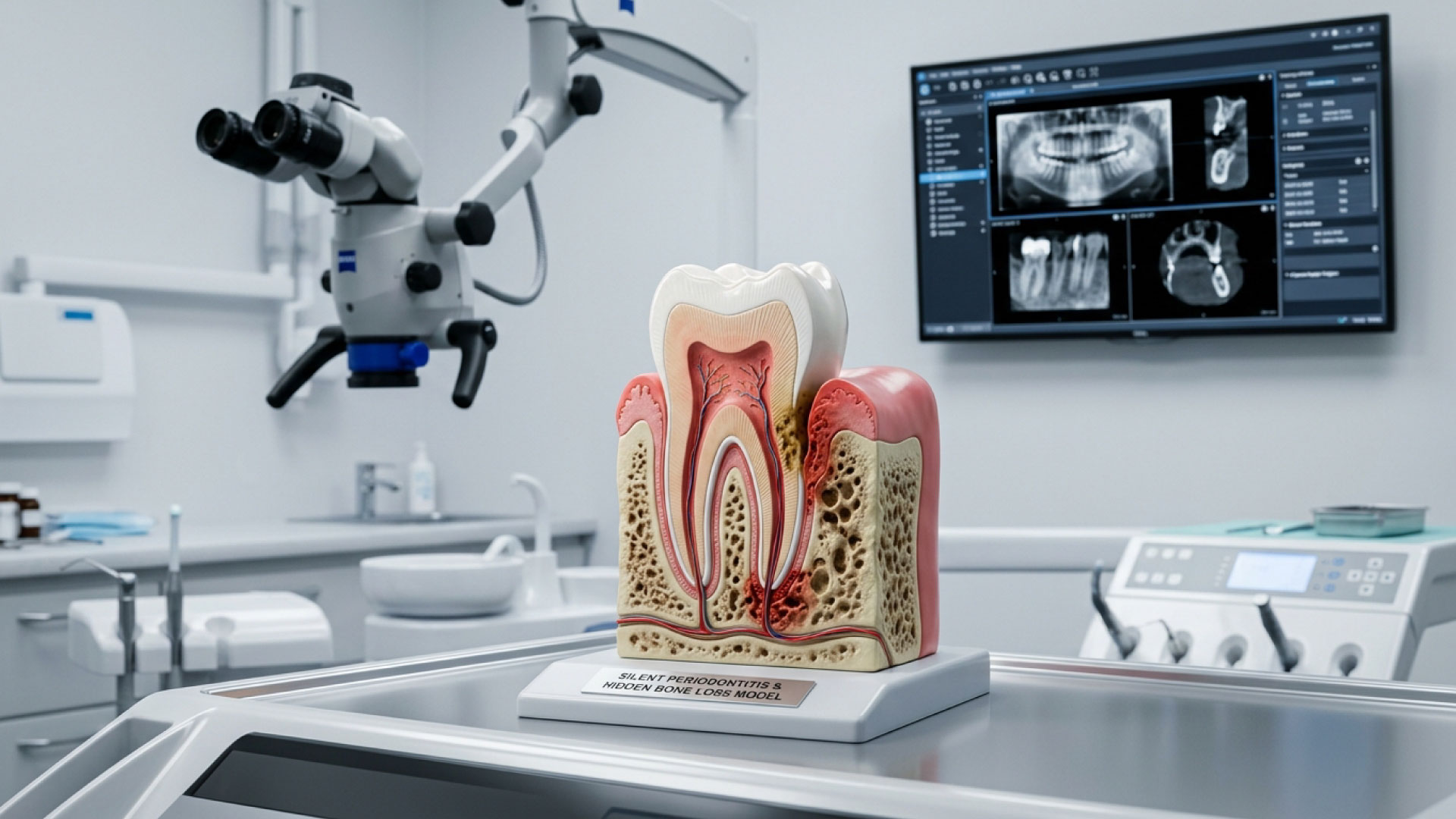
Today, we want to shed light on how gastroesophageal reflux is not simply a digestive annoyance, but a true invisible killer for your smile. When stomach acids make their way back up into the mouth, they trigger a destructive process that directly attacks the hard tissues of the teeth. In this article, we will explain in detail how we identify this problem and what strategies we adopt to protect your health and prevent irreversible damage.
Understanding Gastroesophageal Reflux: A Nighttime Threat
The well-being of our mouth depends on a delicate chemical balance that is constantly disrupted when we suffer from chronic gastric issues. To understand the impact of this condition on our teeth, we must first analyze what happens inside the body during an episode of acid regurgitation, especially during rest hours when the mouth’s natural defenses drop drastically. During sleep, saliva production decreases, which eliminates the natural washing and neutralizing effect that protects us throughout the day.
What is Acid Reflux
Gastroesophageal reflux is a chronic medical condition primarily caused by the malfunction of the lower esophageal sphincter. This muscular valve is responsible for opening to let food pass and sealing immediately afterward to keep gastric juices contained. When this valve weakens or relaxes abnormally, the highly acidic contents of the stomach travel up the esophagus until they invade the mouth. This phenomenon instantly alters the oral environment, dropping the pH well below the safety threshold and creating a hostile environment where dental tissues literally begin to dissolve.
The Danger of Silent Reflux
Many people believe that reflux always presents itself with a burning sensation behind the chest or obvious sour regurgitation, but there is a much more insidious variant: laryngopharyngeal reflux, commonly known as “silent reflux.” In these cases, acidic vapors rise without causing noticeable esophageal pain. The phenomenon worsens at night, as the flat supine position allows gastric fluids to easily travel upward. Patients suffering from this form sleep completely unaware while acids sit in their mouths for hours. Often, the only real warning sign is the structural damage that we dentists find on the dental surfaces during routine check-ups.
The Corrosive Action of Acid on Tooth Enamel
The Process of Enamel Erosion
The Consequences on Dentin and Structure
The Warning Signs: Symptoms You Should Not Ignore
The Onset of Tooth Sensitivity
Aesthetic and Morphological Changes
The Dentist’s Role in Early Diagnosis
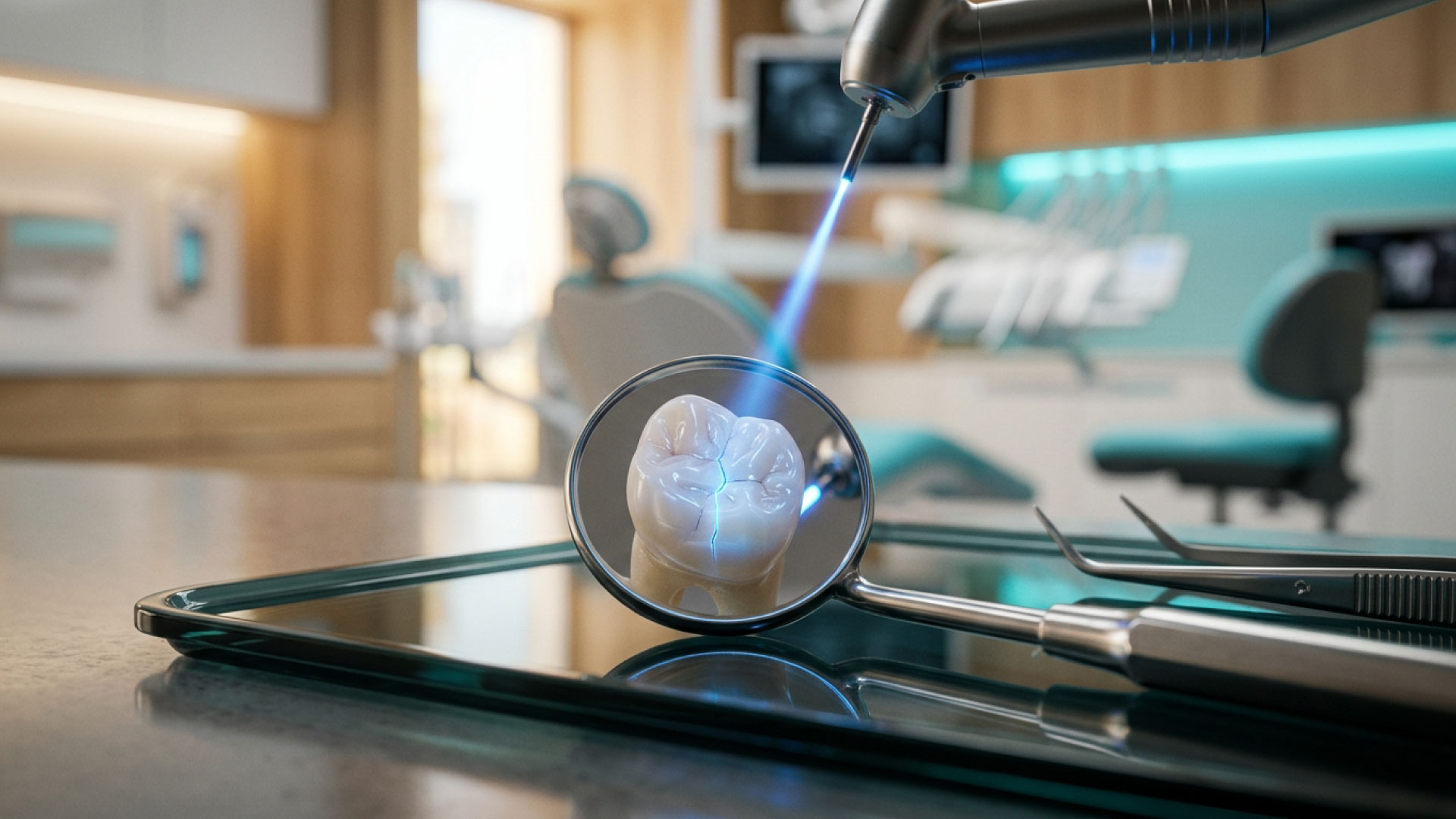
How We Identify Erosion in the Chair
A Multidisciplinary Approach with the Gastroenterologist
Protection Protocols and Restorative Treatments
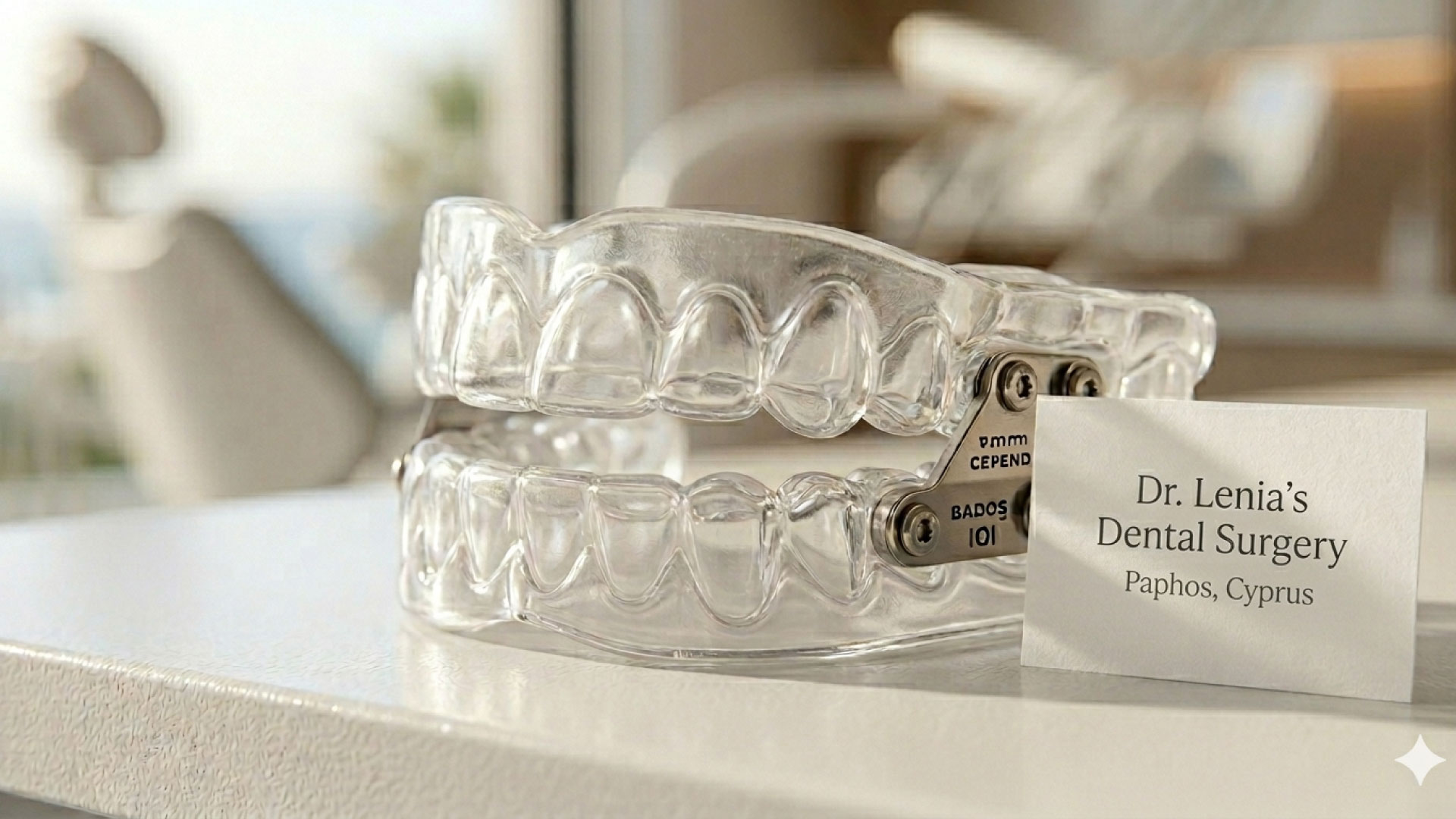
Daily Prevention Guidelines
Restorative Dental Treatments
Conclusion
The health of your smile is never isolated from the rest of your body, and the way acid reflux and teeth interact is tangible proof of that. Ignoring the signs of ongoing erosion can compromise not only the aesthetics of your face but also your chewing functionality and daily comfort.
Our recommendation is to never underestimate symptoms like constant tooth sensitivity or a bitter taste in your mouth upon waking. We look forward to welcoming you to Dr. Lenia’s Dental Surgery in Paphos, Cyprus, for a thorough evaluation so we can build a tailored prevention plan together that protects your enamel and your overall health.