
Introduction
When addressing the oral health of our patients at Dr. Lenia’s Dental Surgery in Paphos, we realize every day how much the effects of medications on the mouth are often underestimated. Many drug therapies, even those considered “routine,” alter saliva, gums, mucous membranes, and healing capacity, creating a direct impact on oral health that is rarely explained to the patient. We understand how important it is to recognize these signs, because medications and oral health are two worlds in constant dialogue, and ignoring this relationship can lead to avoidable complications. In this article, we explore in depth how antidepressants, antihistamines, antihypertensives, contraceptives, and many other medicines influence your smile, offering a clear and clinically-based guide to protecting your mouth during any therapy.
Xerostomia and Cavity Risk
In our daily care of patients at Dr. Lenia’s Dental Surgery in Paphos, we notice how often oral dryness is perceived as a simple nuisance, when in reality it represents one of the most significant signals of the effects of medications on the mouth. Many common therapies, especially those related to anxiety, allergies, or blood pressure, modify the function of the salivary glands, altering the entire oral biochemistry. Understanding this mechanism allows us to intervene early, protecting the enamel and preventing complications that, without careful monitoring, can become structural.
Reduced Saliva as the First Warning Sign
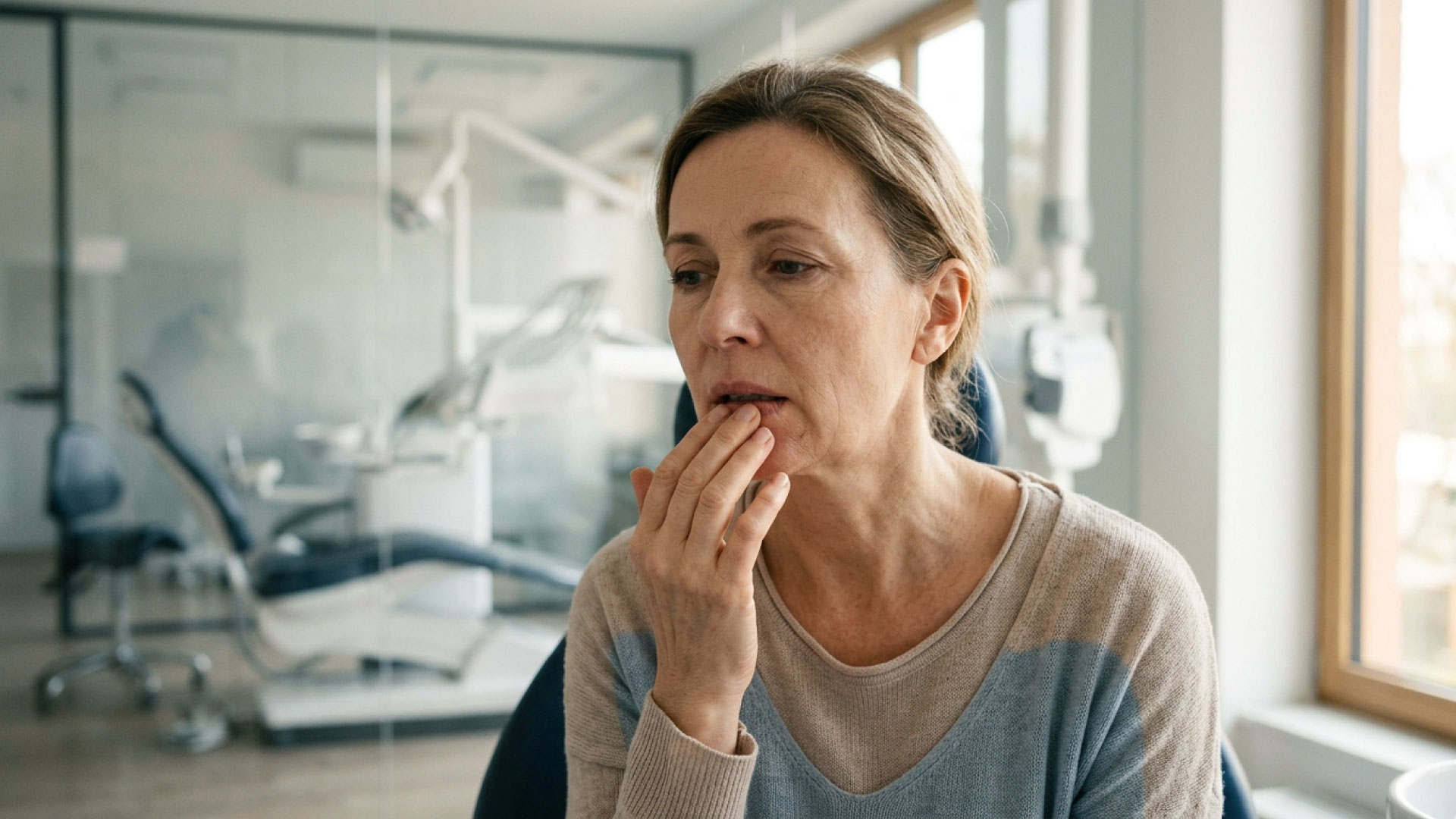
When analyzing the effects of medications on the mouth, xerostomia (dry mouth) represents one of the most frequent yet overlooked phenomena. Saliva is an essential element for oral balance: it lubricates, protects, remineralizes, and defends. When antidepressants, antihistamines, anxiolytics, or antihypertensives reduce salivary flow, the entire oral ecosystem changes rapidly. We notice that patients begin to experience persistent dryness, difficulty swallowing, taste alterations, and a “burning mouth” sensation. These symptoms are not mere discomforts but clinical signs indicating an increased risk of cavities, especially in cervical areas where enamel is thinner and more vulnerable. Saliva, in fact, is not just a liquid: it is a complex defense system that neutralizes acids, transports minerals, and stabilizes pH. When it is lacking, the mouth becomes a favorable environment for bacterial proliferation, and the risk of decay and inflammation grows exponentially.
How We Intervene to Protect Your Smile from Oral Dryness
At Dr. Lenia’s Dental Surgery, we adopt a personalized approach for every patient presenting with medication-related xerostomia. We know that interrupting therapy is never an option; therefore, we work to compensate for oral side effects without interfering with the general medical path. We introduce targeted protocols that include safe salivary stimulation, hydrating gels, remineralizing products, and professional fluoride applications. We teach patients daily strategies to keep the mouth protected, such as the use of xylitol, proper hydration, and attention to acidic foods. When oral side effects become more intense, we intervene with more frequent check-ups to monitor the evolution of cavities and prevent structural damage. Managing xerostomia is never a simple treatment, but a shared journey that requires awareness, consistency, and careful clinical guidance.

Hypertrophic Gums and Cardiovascular Medications
In our clinical work in Paphos, we often observe how certain cardiovascular drugs can significantly change the behavior of gum tissues. When we analyze patients’ pharmacological history, we realize that gum enlargement is never a random event, but a precise biological response to specific molecules. This phenomenon, which falls squarely within the relationship between medications and gums, requires attention, prevention, and a therapeutic approach calibrated to individual needs, as it affects both health and the aesthetics of the smile.
When Medications Modify Gum Tissue Response
Many patients do not imagine that some cardiovascular drugs can directly influence gum health. Yet, in our clinical experience, we often observe how calcium channel blockers, immunosuppressants, and anticonvulsivants cause progressive gum enlargement. This condition, known as gingival hypertrophy, makes daily cleaning difficult and encourages plaque buildup, creating a vicious cycle that can lead to chronic inflammation. The gums become thicker, more sensitive, and tend to bleed easily. The patient perceives an aesthetic and functional change, often accompanied by discomfort during chewing. This phenomenon is not a simple cosmetic side effect: it represents a complex biological response in which gum tissues react to the presence of the drug by altering their structure and cellular metabolism.
Our Clinical Approach to Containing Gingival Hypertrophy
When we identify a case of medication-related gingival hypertrophy, we intervene with a therapeutic plan that combines intensified professional hygiene, personalized instructions, and constant monitoring. We believe that prevention is fundamental, as early intervention avoids more serious complications. In more advanced cases, we evaluate the possibility of gum remodeling, a procedure that restores harmony to the tissues and facilitates daily cleaning. However, what we consider essential is communication with the patient: understanding that medications and gums can interact in unexpected ways helps maintain high alertness and prevent irreversible damage. Our goal is to preserve tissue health without interfering with the primary medical therapy, ensuring a balance between systemic well-being and oral health.
Taste Alterations and Mucositis
In evaluating our patients’ oral health, we realize how much drug therapies can influence sensory perception and mucosal reactivity. Taste alterations, metallic sensations, or the appearance of mucositis are oral side effects that deeply impact quality of life, especially when they persist over time. At Dr. Lenia’s Dental Surgery, we consider these signs as precious indicators because they reveal how the mouth reacts to broader systemic changes, requiring attentive and personalized clinical support.
When Medications Modify Sensory Perception
Many medicines influence taste, creating metallic or bitter sensations or a reduction in taste perception. Antibiotics, antidepressants, thyroid medications, and chemotherapy drugs are among the most involved. These alterations are not simple annoyances: they change the patient’s relationship with food, influence appetite, and can lead to nutritional imbalances. At Dr. Lenia’s Dental Surgery, we observe how these sensory changes can generate frustration and anxiety, especially when they persist. Taste is a sense deeply linked to quality of life, and when it is altered, the patient feels a detachment from the daily pleasure of food. Understanding that medications and oral health are closely linked helps interpret these signals as part of a larger clinical picture.
Mucositis as a Painful Manifestation of Drug Therapies
Mucositis represents one of the most painful conditions associated with oncological therapies and intensive drug treatments. The mucous membranes become red, ulcerated, and extremely sensitive, making it difficult to eat, speak, and even drink. In these cases, we intervene with specific protocols aimed at reducing inflammation, protecting tissues, and improving therapy tolerance. We use soothing products, professional treatments, and personalized strategies to keep the mouth in optimal condition throughout the treatment journey. Managing mucositis requires delicacy, empathy, and a multidisciplinary approach, as the patient is going through a moment of fragility involving both body and mind.
How to Manage the Side Effects of Medications on the Mouth
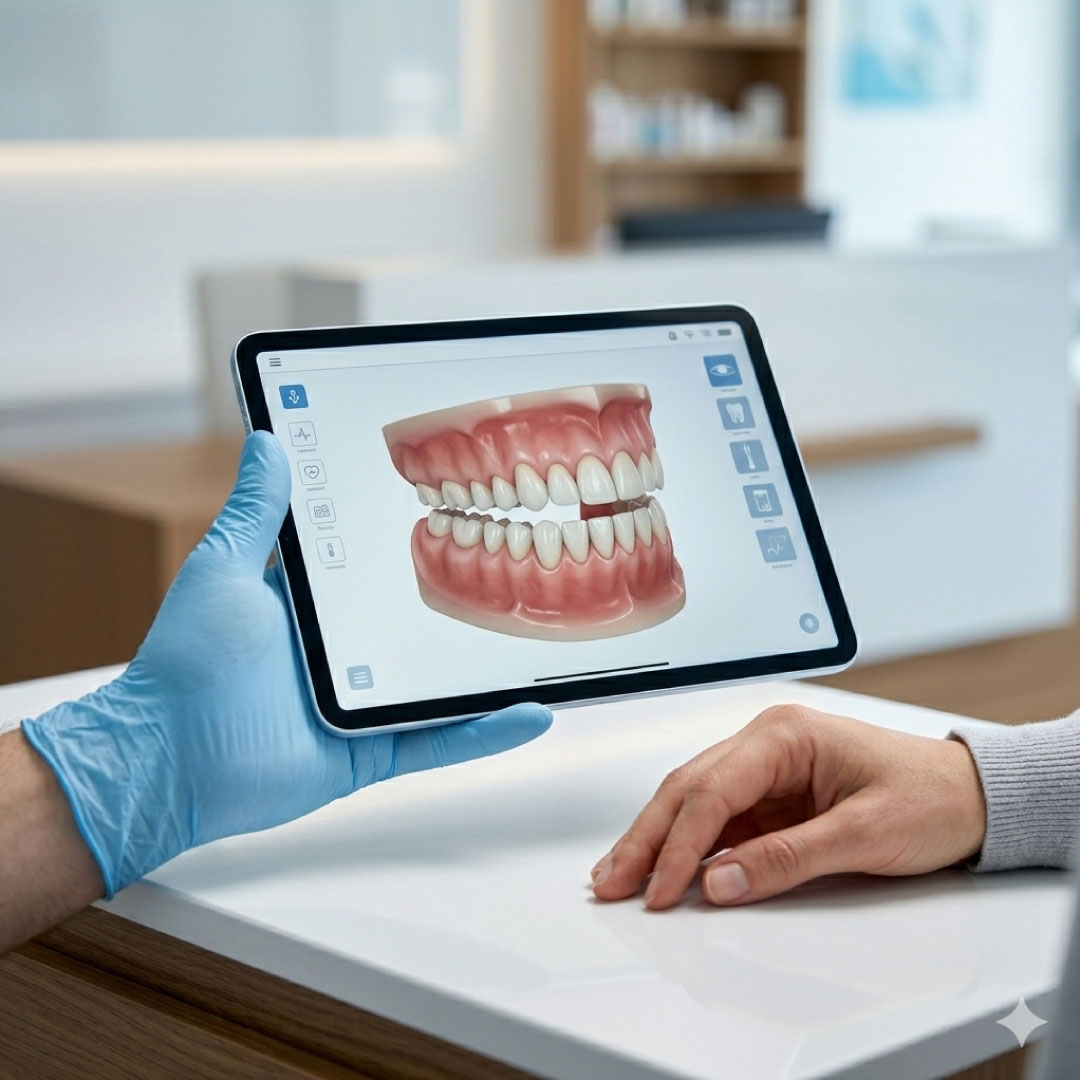
As we accompany our patients through their therapeutic journeys, we know that every drug can alter the balance of the mouth in different ways. For this reason, we dedicate great attention to the prevention and management of the effects of medications on the mouth, building personalized strategies that protect saliva, gums, and mucous membranes throughout the treatment. We believe that transparent communication between patient and dentist is fundamental to anticipating complications and keeping the smile in optimal condition, even when the body is engaged in more complex therapies.
Prevention as a Fundamental Clinical Tool
When addressing the oral side effects of medications, we believe prevention is the key to maintaining a healthy smile. Every drug therapy modifies the mouth’s balance differently, which is why we adopt a personalized approach based on the patient’s clinical history. We evaluate the ongoing therapy, analyze symptoms, and build a prevention plan that includes regular check-ups, targeted treatments, and practical advice for daily management. Prevention is never a passive act: it is an active collaboration between patient and clinic—a path that requires awareness and consistency. When medications and oral health come into conflict, we intervene to restore balance and protect tissues from long-term damage.
The Importance of Communication Between Patient and Dentist
We believe that informing the dentist about pharmacological therapy is a fundamental step for the safety and effectiveness of treatments. Every medication can influence the mouth in different ways, and knowing these details allows us to adapt procedures, prevent complications, and offer truly personalized care. At Dr. Lenia’s Dental Surgery, we always encourage an open dialogue, because transparency is the foundation of effective care. When the patient understands that medications and oral health are closely linked, they become an active part of the prevention process and contribute to keeping their smile in optimal condition.

Conclusion: Protecting the Mouth Means Protecting Your Health
Recognizing the effects of medications on the mouth is a fundamental step in preserving oral and general health. At Dr. Lenia’s Dental Surgery in Paphos, we believe that every therapy should be accompanied by careful clinical guidance, capable of preventing complications and ensuring a healthy smile over time. We invite anyone taking medications who notices changes in their mouth to contact us: together, we can protect your smile and maintain the balance between oral health and general well-being.
For a personalized evaluation, please call us at +357 26 946863.