
Acid Reflux and Teeth: How to Protect Your Enamel

Acid Reflux and Teeth: How to Protect Your Enamel

Waking up with a bitter taste or tooth sensitivity? Gastroesophageal reflux could be silently destroying your enamel. Here is what to do.

Index

Introduction

At Dr. Lenia’s Dental Surgery in Paphos, Cyprus, we firmly believe that oral health is a direct reflection of the body’s overall health. Very often, the first signs of systemic conditions or disorders affecting other organs manifest right inside the oral cavity, long before the patient becomes fully aware of them. Among these silent health issues, the deep connection between acid reflux and teeth represents one of the most frequent yet unfortunately underestimated correlations in daily clinical practice.


Today, we want to shed light on how gastroesophageal reflux is not simply a digestive annoyance, but a true invisible killer for your smile. When stomach acids make their way back up into the mouth, they trigger a destructive process that directly attacks the hard tissues of the teeth. In this article, we will explain in detail how we identify this problem and what strategies we adopt to protect your health and prevent irreversible damage.

Understanding Gastroesophageal Reflux: A Nighttime Threat

The well-being of our mouth depends on a delicate chemical balance that is constantly disrupted when we suffer from chronic gastric issues. To understand the impact of this condition on our teeth, we must first analyze what happens inside the body during an episode of acid regurgitation, especially during rest hours when the mouth’s natural defenses drop drastically. During sleep, saliva production decreases, which eliminates the natural washing and neutralizing effect that protects us throughout the day.

What is Acid Reflux

Gastroesophageal reflux is a chronic medical condition primarily caused by the malfunction of the lower esophageal sphincter. This muscular valve is responsible for opening to let food pass and sealing immediately afterward to keep gastric juices contained. When this valve weakens or relaxes abnormally, the highly acidic contents of the stomach travel up the esophagus until they invade the mouth. This phenomenon instantly alters the oral environment, dropping the pH well below the safety threshold and creating a hostile environment where dental tissues literally begin to dissolve.

The Danger of Silent Reflux

Many people believe that reflux always presents itself with a burning sensation behind the chest or obvious sour regurgitation, but there is a much more insidious variant: laryngopharyngeal reflux, commonly known as “silent reflux.” In these cases, acidic vapors rise without causing noticeable esophageal pain. The phenomenon worsens at night, as the flat supine position allows gastric fluids to easily travel upward. Patients suffering from this form sleep completely unaware while acids sit in their mouths for hours. Often, the only real warning sign is the structural damage that we dentists find on the dental surfaces during routine check-ups.

The Corrosive Action of Acid on Tooth Enamel

The correlation between acid reflux and teeth manifests as an aggressive chemical assault that leaves the oral cavity’s natural protective barriers with nowhere to hide. This aggression destroys tooth minerals through a progressive mechanism that, if not diagnosed in time, undermines the integrity of the entire dentition, compromising both chewing function and the aesthetics of the smile.

The Process of Enamel Erosion

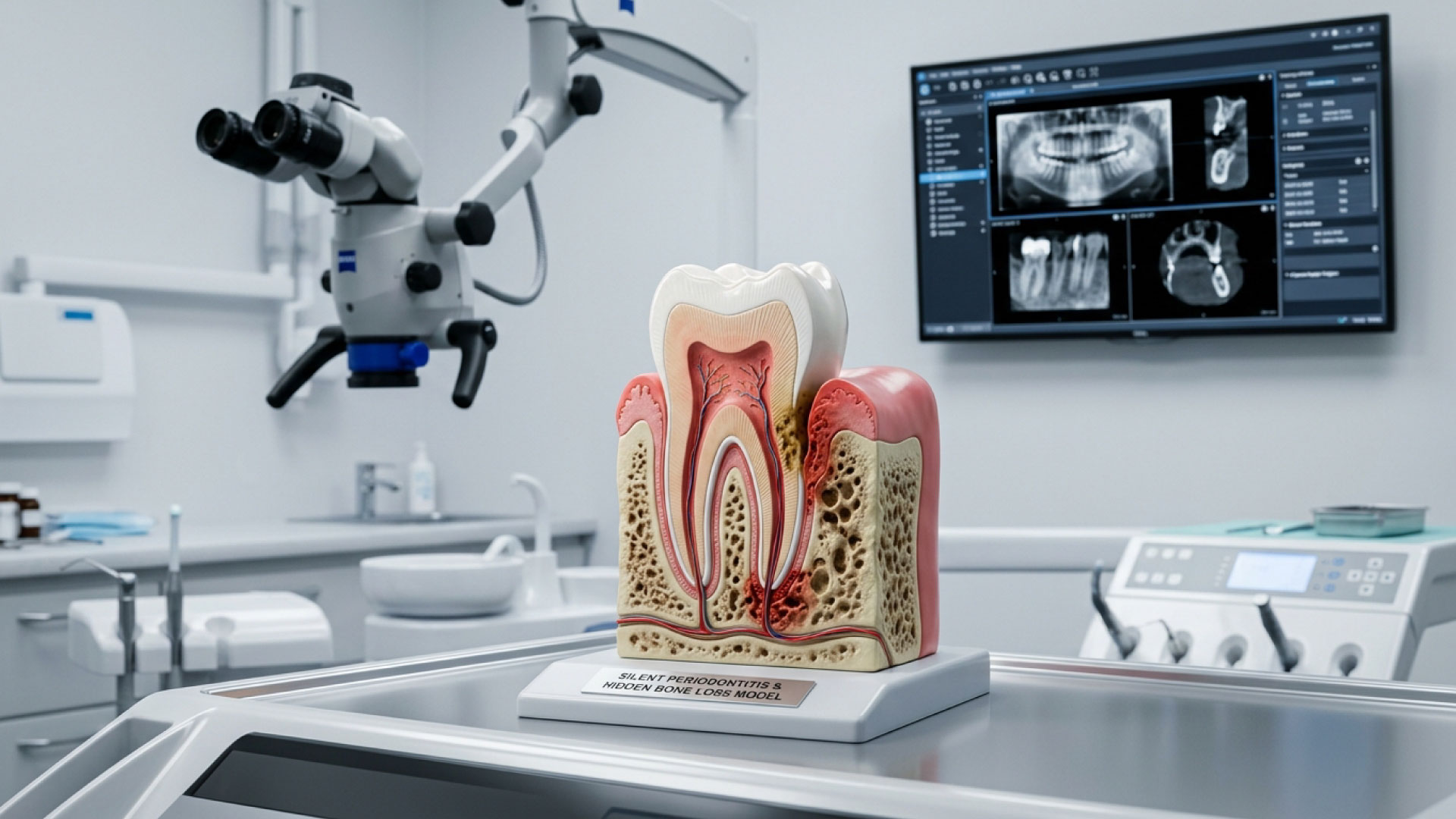
To understand the gravity of this issue, we must consider that enamel is the hardest tissue in the human body, composed almost entirely of hydroxyapatite. However, it has a fatal weakness: it cannot withstand acids. Gastric juices have a terrifyingly low pH level between 1 and 2, which is an acidity level comparable to industrial fluids. When these acids coat the teeth, they strip away minerals from the surface (demineralization). As these episodes repeat over time, the enamel loses its thickness, weakens, and wears away irreversibly, since our body cannot regenerate it once it is gone.

The Consequences on Dentin and Structure

Once enamel erosion breaks through the outer protective layer, it directly exposes the underlying dentina. Dentin is the core of the dente: it is much softer, contains fewer minerals, and is traversed by thousands of microscopic tubules connected directly to the nerve. Being less resilient, dentin wears away at three times the speed of enamel when exposed to gastric acids. This structural collapse accelerates the onset of aggressive cavities, causes widespread yellowing (as the yellow dentin shows through the thinned enamel), and can lead to the progressive crumbling of the teeth.

The Warning Signs: Symptoms You Should Not Ignore

Recognizing the signs of chemical erosion early on allows us to intervene before the damage becomes structural and requires long, invasive therapies. There are very specific daily indicators that any of us can easily monitor from home, simply by learning to pay attention to the signals our body sends us upon waking up or during meals.

The Onset of Tooth Sensitivity

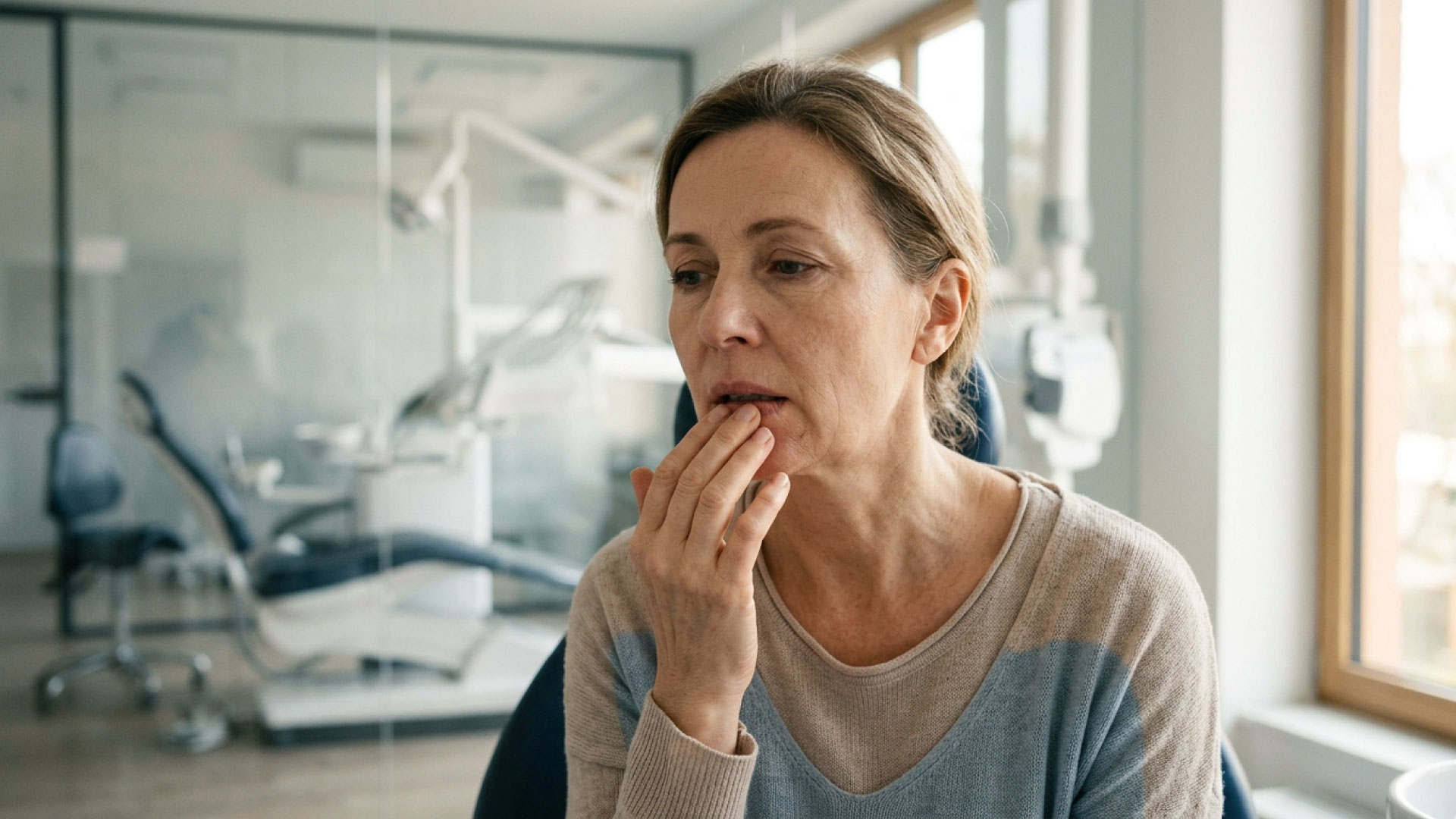
The first and most common creeping symptom of enamel loss is the development of sharp tooth sensitivity. Initially, it manifests as a sudden jolt when consuming hot, cold, or highly sugary drinks, but over time it can extend to sweet or acidic foods, and even to fresh air breathed in through the mouth. This happens because the thickness of the enamel has decreased to the point where it can no longer thermally insulate the dentin. As a result, every temperature shift is transmitted instantly to the dentinal tubules, stimulating the nerve fibers and causing sharp, persistent pain.

Aesthetic and Morphological Changes

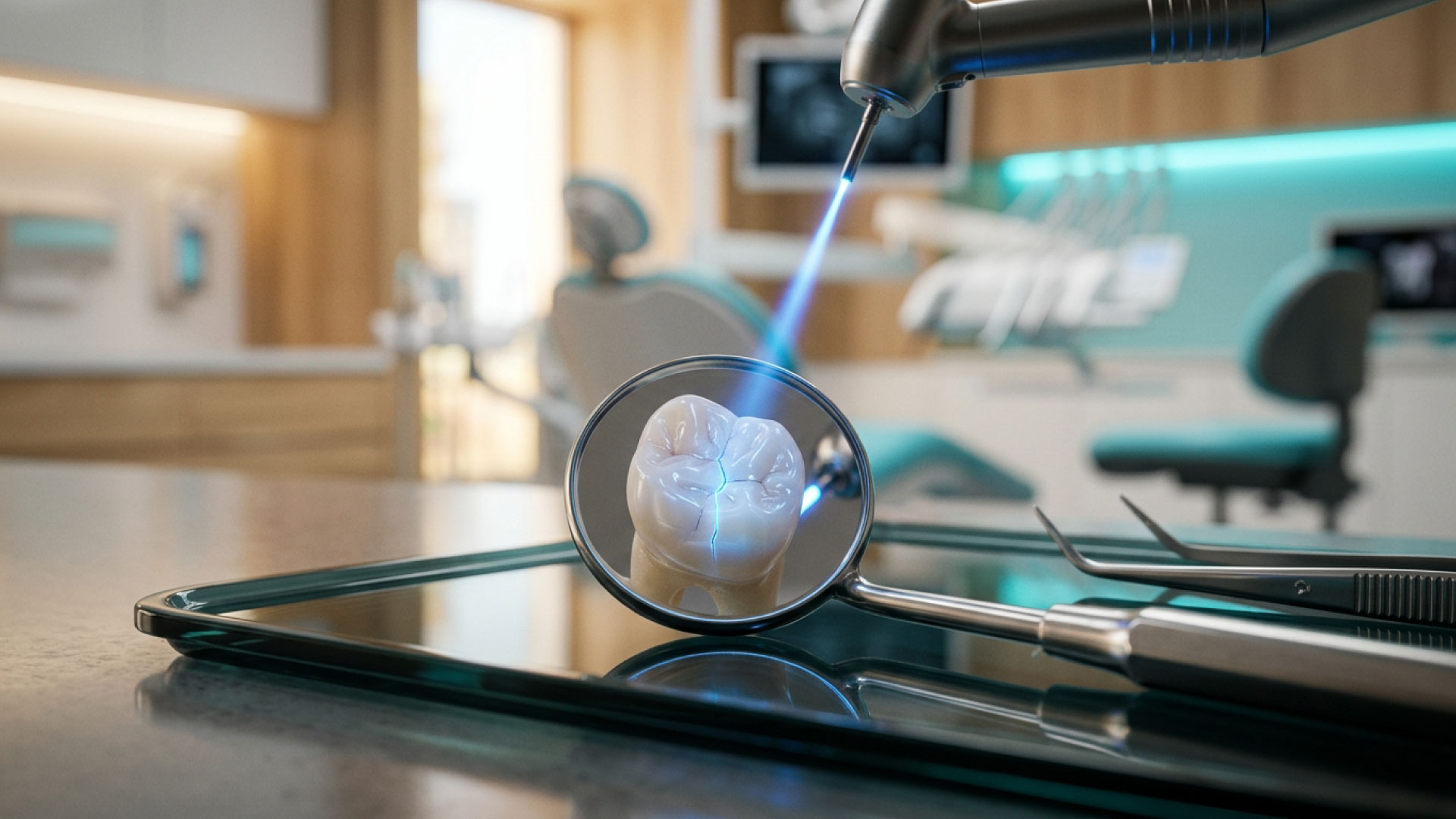
A careful look in the mirror can reveal profound aesthetic alterations. In the early stages, teeth lose their natural shine, and the edges of the front teeth (incisors) start to look dull, thin, or almost transparent, taking on a “chipped” appearance. Later on, on the back teeth (molars), the erosion creates characteristic smooth micro-craters, looking like small bowls on the chewing surface. In severe cases, old metal or composite fillings start to visibly stick out from the tooth, because the filling material resists the acid while the surrounding natural tooth structure has dissolved away.

The Dentist’s Role in Early Diagnosis

At our practice in Paphos, we very often find ourselves being the absolute first specialists to diagnose a problem involving acid reflux and teeth in patients who had no idea they even suffered from it. Our clinical observation skills during hygiene sessions or routine check-ups represent a crucial line of defense for your overall health, allowing us to guide patients toward the correct medical treatments.

How We Identify Erosion in the Chair

During routine check-ups, we carefully examine the mouth to identify wear patterns, which are completely unique and unmistakable. While bruxism (nighttime teeth grinding) creates flat wear facets and grinds down biting edges through mechanical friction, erosion from gastroesophageal reflux leaves surfaces concave, smooth, and chemically polished. Furthermore, the acid rising from the stomach preferentially hits the inner faces of the upper teeth (the side facing the palate), which remain less protected by the tongue. This map of the damage allows us to make an accurate diagnosis with absolute certainty.

A Multidisciplinary Approach with the Gastroenterologist

We firmly believe that a modern dentist should not just limit themselves to treating teeth, but must look at the whole patient. Once the chemical signature of reflux is identified, our protocol involves close collaboration with the patient’s primary care doctor or gastroenterologist. We clearly explain to those who trust us with their care that fixing teeth without treating the stomach is useless: if we do not stop the acid rise at its root through proper medical therapy and lifestyle changes, any dental restoration will be destined to fail due to continuous corrosion.

Protection Protocols and Restorative Treatments

The clinical management of the acid reflux and teeth pairing requires timely intervention focused both on correct home prevention habits and on the aesthetic and functional restoration of damaged structures. At our clinic, we apply modern, personalized protocols to halt demineralization and bring strength back to your smile.

Daily Prevention Guidelines

Our first task is to educate patients to avoid mistakes that can drastically worsen the situation. The most common and serious mistake is running to brush your teeth immediately after an episode of reflux or acid regurgitation. At that exact moment, the enamel is demineralized and “soft”: mechanical brushing with bristles would do nothing but scrub away the weakened enamel layer. Instead, our protocol requires immediately rinsing the mouth thoroughly with mineral water or a specific remineralizing fluoride mouthwash to neutralize the acidity, waiting at least 30 to 40 minutes before using a toothbrush.

Restorative Dental Treatments

When damage has already occurred, we deploy the best restorative technologies to seal the tooth and eliminate tooth sensitivity. If the erosion is in its initial stage, we apply highly concentrated professional fluoride gels and mineralizing agents directly in the dental chair. In cases of advanced enamel destruction, we proceed to reconstruct the lost parts using latest-generation biocompatible composite resins or, for front teeth, we apply ultra-thin porcelain veneers. These restorations act as an impenetrable shield, covering the exposed dentin and returning natural beauty and functionality to the smile.

Conclusion

The health of your smile is never isolated from the rest of your body, and the way acid reflux and teeth interact is tangible proof of that. Ignoring the signs of ongoing erosion can compromise not only the aesthetics of your face but also your chewing functionality and daily comfort.


Our recommendation is to never underestimate symptoms like constant tooth sensitivity or a bitter taste in your mouth upon waking. We look forward to welcoming you to Dr. Lenia’s Dental Surgery in Paphos, Cyprus, for a thorough evaluation so we can build a tailored prevention plan together that protects your enamel and your overall health.

Antonio D'Onofrio

Business Developer
I am Antonio D’Onofrio, the creative mind and expert hand that will transform your goals into concrete successes.

RECENT POSTS