Introduction: The Mouth as a Mirror of the Soul
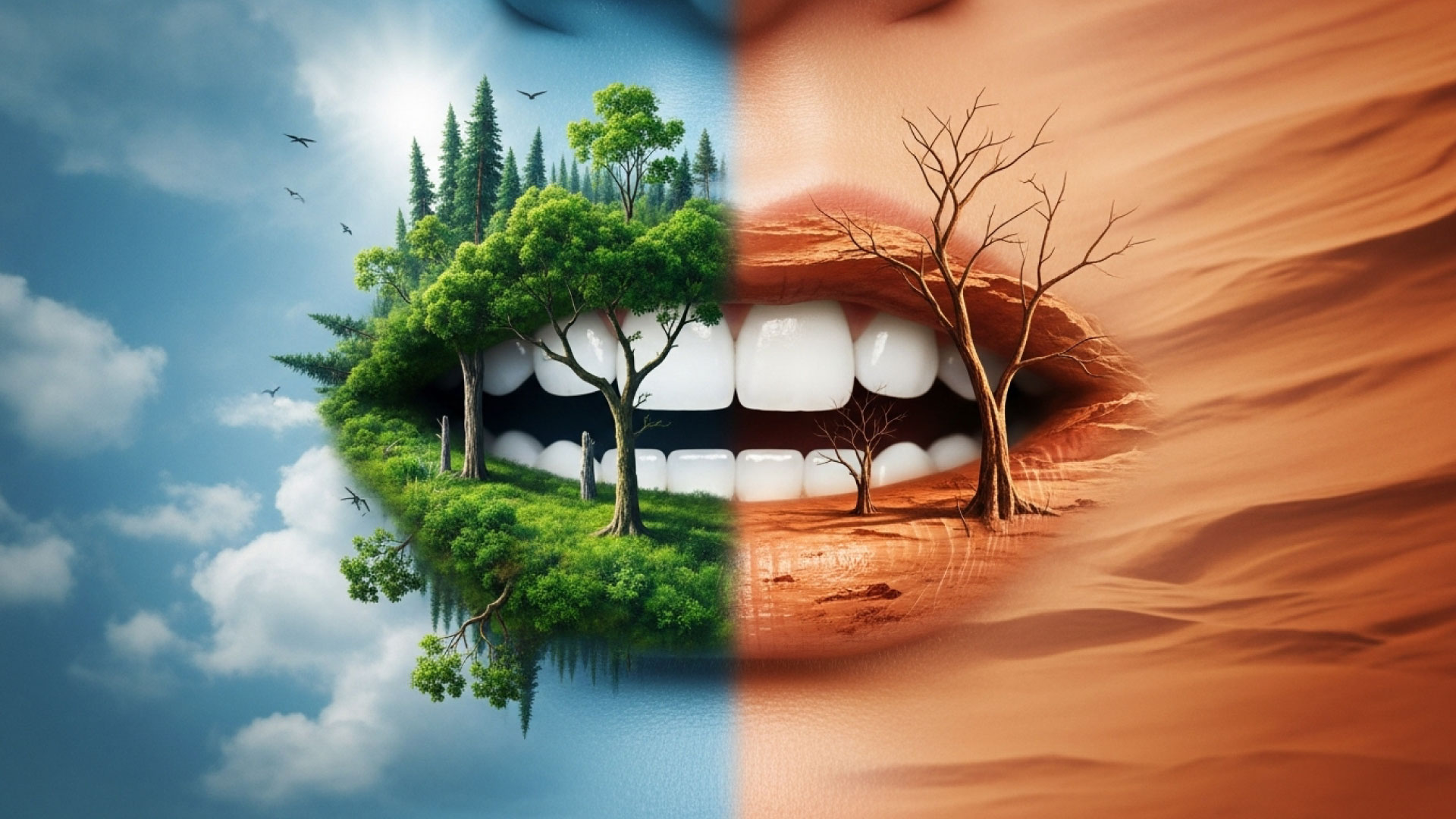
In our daily commitment at Dr. Lenia’s Dental Surgery in Paphos, we never consider the oral cavity as an element isolated from the rest of the body. On the contrary, we firmly believe that the smile is the silent narrator of our inner state. Often, during routine check-ups, we intercept signals that go far beyond a simple cavity or gum inflammation; we read in the dental arches the traces of complex periods, accumulated tensions, and invisible battles. Indeed, there is an indissoluble thread between oral health and mental health, a bidirectional link where psychological well-being directly influences the integrity of oral tissues and, conversely, a healthy mouth contributes to better self-esteem and serenity.
The Invisible Link Between Mind and Smile
We recognize that modern medicine has for too long separated the care of the body from that of the mind, but in our clinical practice, this distinction fades. When we address dental pathologies, we always evaluate the patient’s emotional context: a period of intense anxiety or a depressive phase can alter pain perception, modify the chemical composition of saliva, or lead to a drastic reduction in local immune defenses. Understanding this mechanism allows us to offer not just technical therapy, but human support that puts the whole person at the center, transforming the dentist’s chair into a place of listening and global care.
Oral Health and Mental Health as an Inseparable Unity
We convincingly maintain that there can be no real health without the balance of both spheres. A condition of psychological distress can manifest through psychosomatic symptoms in the oral cavity, such as idiopathic burning sensations or hypersensitivity, which often disorient the patient. On the other hand, chronic pain or tooth loss can fuel states of social isolation and depression. Our goal, through “Dr. Lenia’s Diary,” is to raise awareness in the Paphos community about the importance of monitoring these early signals, promoting a culture of prevention that embraces psychophysical well-being as a single, fundamental mission.
Chronic Stress: When the Mind Weighs on the Smile
In our clinical experience in Paphos, we constantly observe how stress is not just an abstract feeling, but a physical force capable of literally wearing down your smile. When the body remains in a prolonged state of alert, it produces hormones such as cortisol which, in excess, weaken the immune responses of the gums, making them more susceptible to bacterial infections. This phenomenon transforms periods of high psychological tension into real risks for dental stability, making it clear that the effects of stress on teeth are not simple coincidences, but direct physiological responses to an excessive emotional load that we are committed to intercepting promptly.
The Biology of Tension and Inflammation
We consider chronic stress an accelerator for periodontal diseases. Peripheral vasoconstriction induced by anxiety reduces the supply of oxygen and nutrients to the gingival tissues, facilitating the proliferation of anaerobic bacteria. We often notice that patients going through phases of high work or personal pressure tend to show bleeding gums or sudden abscesses; this happens because the body, focused on managing the emotional emergency, lowers its guard in the oral cavity. At Dr. Lenia’s Dental Surgery, we take the time to explain to our patients that treating inflammation also means identifying and managing these external sources of stress.
Bruxism and Chronic Anxiety: A Deep Connection
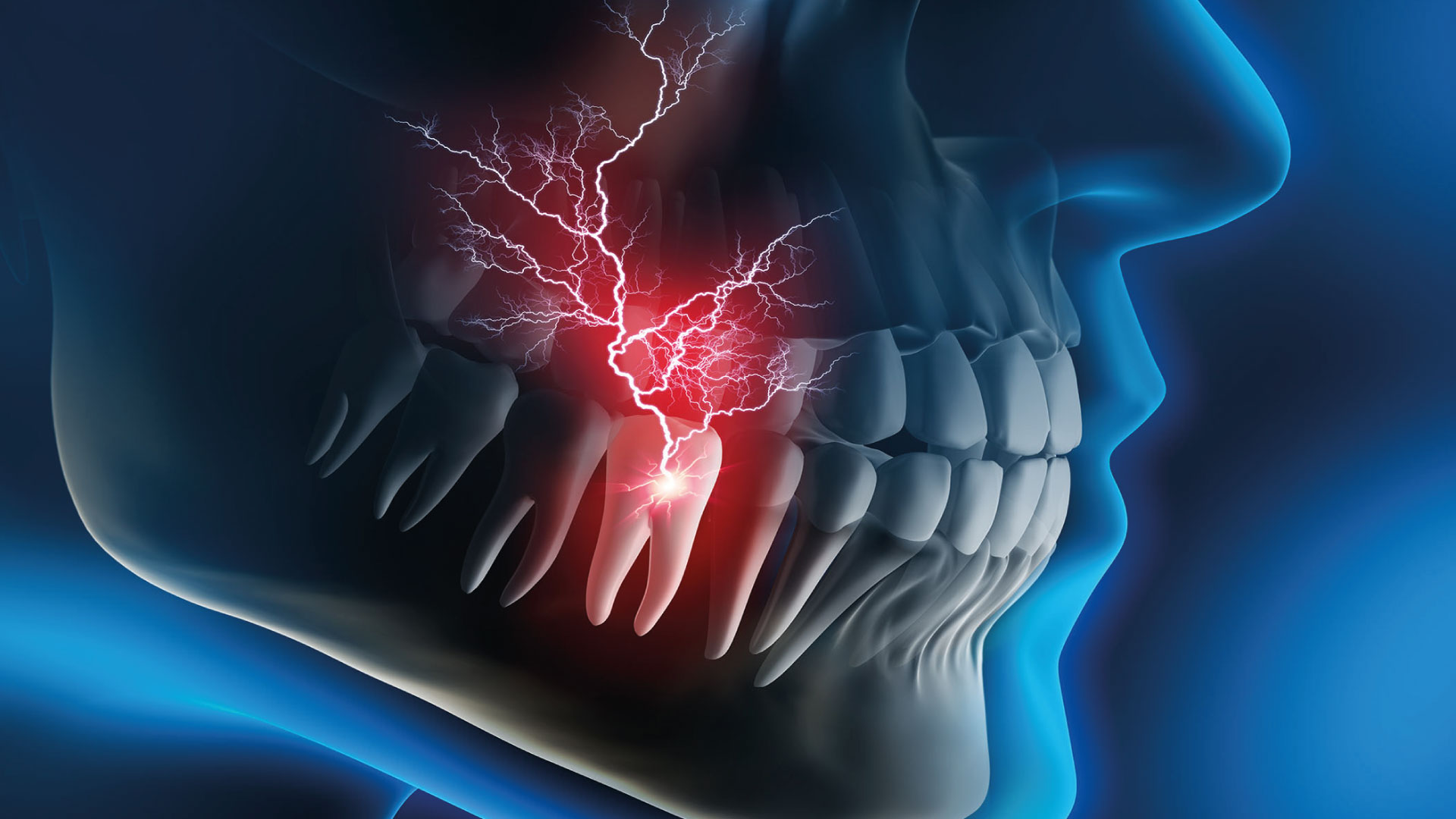
One of the most evident and common signs of mental distress is the clenching or grinding of teeth, often involuntary and nocturnal. The link between bruxism and chronic anxiety is supported by daily clinical evidence: the nervous system discharges the tension accumulated during the day onto the masticatory muscles. This excessive pressure can cause micro-fractures in the enamel, wear of the biting surfaces, temporomandibular joint pain, and even tension-type headaches upon waking. Intervening with custom-made mouthguards (bites) is essential, but we believe the first step is the patient’s awareness regarding the psychogenic origin of this habit, for an approach that is truly decisive and not just symptomatic.
.
Depression and Hygiene: The Vicious Cycle of Neglect
At Dr. Lenia’s Dental Surgery in Paphos, we often meet patients going through phases of profound exhaustion or depression. In these moments, even the simplest gestures, like holding a toothbrush, can turn into insurmountable challenges. This reduction in vital energy inevitably leads to a lower frequency of home hygiene routines, creating fertile ground for plaque and tartar accumulation. We understand that this is not laziness, but a clinical symptom of mental illness, and it is precisely here that the link between oral health and mental health becomes most evident: the neglect of the physical self is often a reflection of inner pain that deserves listening rather than judgment.
The Loss of Routine and the Impact on the Smile
When the oral hygiene routine fails, bacteria begin to colonize the gingival sulcus very quickly. We notice that the lack of mechanical and chemical stimulation (through toothpaste and floss) accelerates enamel demineralization and the onset of aggressive cavities. At Dr. Lenia’s Dental Surgery, we try to support our patients by suggesting small, minimum goals, such as using a mouthwash or an electric toothbrush during the most difficult days, to prevent a period of psychological crisis from leaving permanent damage to the dental structure.
Effects of Stress on Teeth and Systemic Inflammation
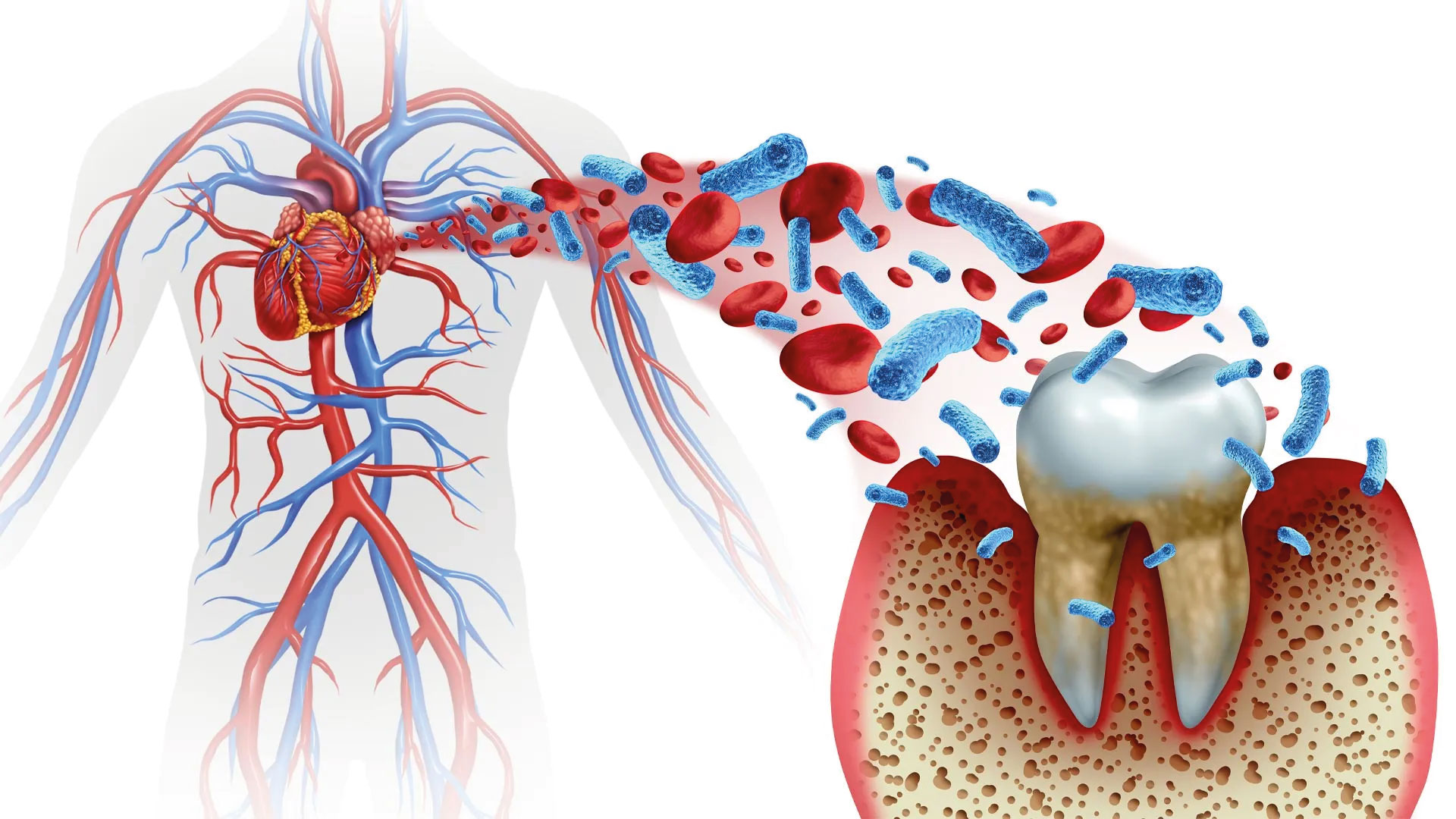
Beyond the behavioral component, there is a biological component linked to depression and prolonged anxiety. An altered immune response increases susceptibility to periodontitis, a disease that destroys the supporting bone of the teeth. The effects of stress on teeth and gums manifest with slower wound healing and a greater tendency to bleed. We monitor these parameters with extreme care, as an inflamed mouth sends biochemical signals to the brain that can, in turn, fuel the systemic inflammatory state typical of mood disorders, feeding a negative loop that we must break together.
Eating Disorders: Invisible Signs on Dental Surfaces
In our practice at Dr. Lenia’s Dental Surgery, we often play the role of “sentinels” for general health. Eating disorders, such as bulimia nervosa or anorexia with episodes of self-induced vomiting, leave unmistakable traces on oral tissues long before other physical symptoms become evident. Frequent contact between highly acidic gastric juices and the mouth triggers a process of rapid demineralization, which we monitor with extreme delicacy. We deeply understand that these pathologies represent a complex manifestation of intertwined oral health and mental health, and our approach is never judgmental, but aimed at the protection and functional restoration of the smile.
Chemical Erosion and Loss of Structure
When stomach acid comes into contact with teeth, it literally dissolves the minerals that make up the enamel. We notice that teeth begin to appear thinner, translucent at the edges, and sometimes take on a yellowish color due to the underlying dentin showing through. This erosion process is not just an aesthetic problem: it makes teeth extremely sensitive to heat and cold and reduces masticatory height. At Dr. Lenia’s Dental Surgery, we intervene with specific remineralization protocols, but we always emphasize that tissue protection must go hand in hand with a professional psychological support path.
Eating Disorders and Tooth Enamel: A Clinical Challenge
The correlation between eating disorders and tooth enamel is unfortunately destructive if not intercepted in time. In addition to erosion, we often observe swelling of the salivary glands (sialadenosis) and lesions to the soft tissues of the throat and palate. We believe that transparency between patient and dentist is fundamental in these cases: knowing the nature of the acid insult allows us to advise immediate strategies, such as not brushing teeth immediately after a vomiting episode so as not to scrape away the enamel made “soft” by the acid, but instead rinsing with neutralizing solutions. Our goal in Paphos is to preserve every millimeter of dental structure while the patient undergoes their inner healing journey.
The Impact of Pharmacological Treatments
In managing our patients’ health in Paphos, we pay particular attention to the clinical and pharmacological history of those who trust us with their care. Many medications commonly prescribed to manage anxiety, depression, or sleep disorders have a direct impact on the salivary glands. We believe that informing the patient about these side effects is an integral part of our professional mission at Dr. Lenia’s Dental Surgery. It is not just about treating a cavity, but understanding why it formed: often the answer lies in an alteration of oral biochemistry caused by molecules necessary for psychological support, highlighting once again how oral health and mental health are interconnected.
Unexpected Side Effects and Smile Protection
Most tricyclic antidepressants, selective serotonin reuptake inhibitors (SSRIs), and anxiolytics have a reduction in salivary flow as a side effect. Saliva does not just lubricate; it is our first defense against cavities: it neutralizes acids and provides essential minerals for enamel repair. When this natural protection is missing, we observe a rapid increase in cervical cavities (near the gum line) and a higher susceptibility to fungal infections such as oral thrush. At Dr. Lenia’s Dental Surgery, we monitor these changes to intervene before the consequences become structural
Dry Mouth and Medications: Management Strategies
The condition of xerostomia, or more commonly dry mouth and medications, represents a daily challenge for many. Besides discomfort in speaking or swallowing, the lack of saliva alters the pH of the mouth. To counteract this phenomenon, we suggest specific protocols that include the use of saliva substitutes, moisturizing gels, and safe mechanical stimulation via xylitol. We consider it essential that patients never stop their psychotropic therapies without medical consultation, but instead collaborate with us to implement reinforced prevention (such as professional fluoride applications) that can balance the negative effects of the drug on the mouth, ensuring the continuation of mental care in total safety for the teeth.
The Role of an Empathetic Dentist in Paphos
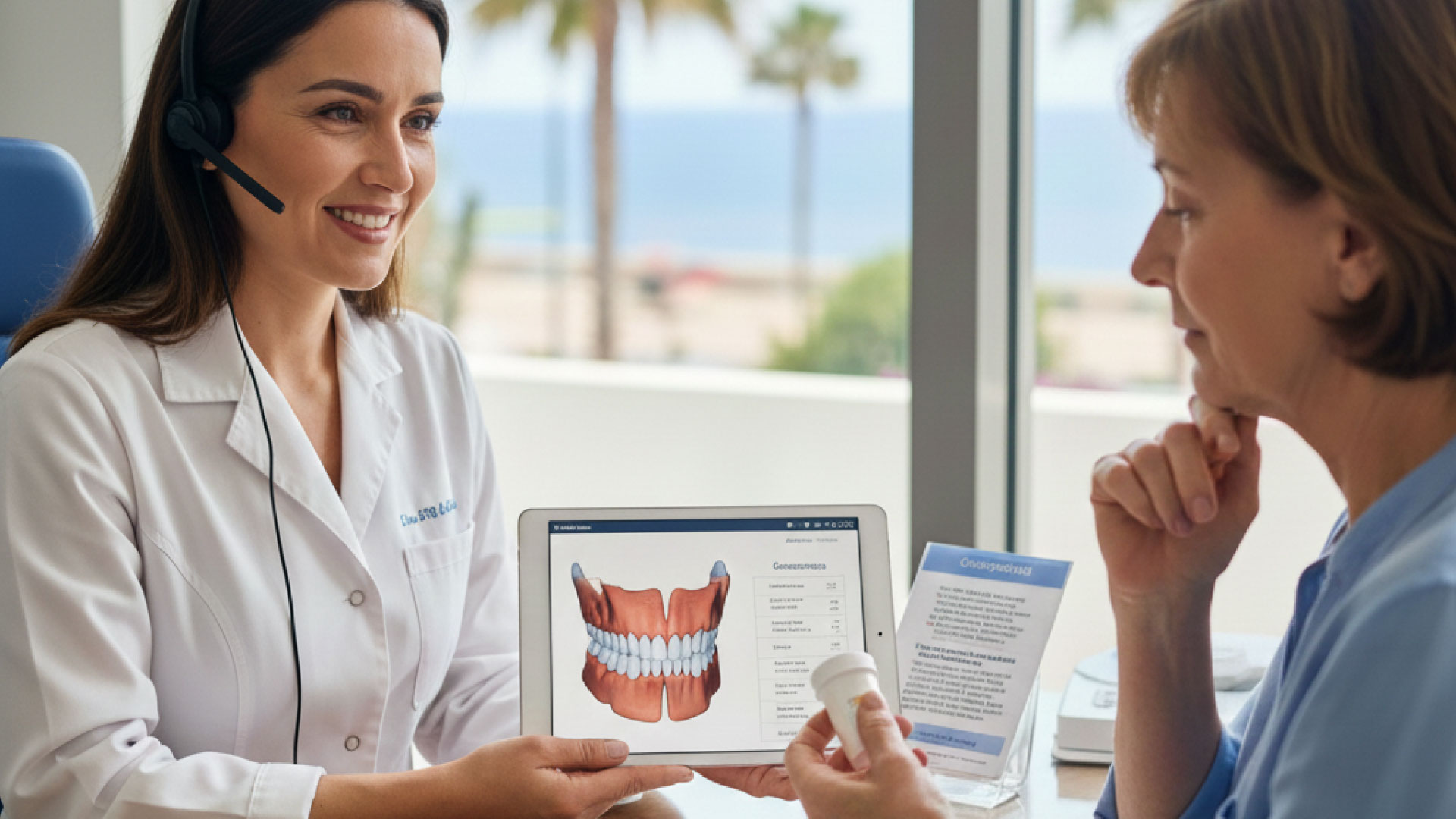
In our studio, Dr. Lenia’s Dental Surgery, we are aware that stepping across the threshold of a dental clinic can generate anxiety, especially for those already facing challenges related to their emotional sphere. We believe that the figure of an empathetic dentist in Paphos should not be limited to technical competence but must transform into a point of reference capable of offering active listening. Many of our patients arrive with the fear of being judged for the state of their mouth; we respond with a welcoming protocol that prioritizes psychological comfort, reducing stress levels from the very first consultation.
Beyond the Chair: Listening as a Diagnostic Tool
We believe that a correct diagnosis always starts with an open dialogue. We dedicate time to understanding the patient’s lifestyle, concerns, and any current therapies, because we know that a dull smile can hide inner fatigue. At Dr. Lenia’s Dental Surgery, we have created an environment where time is not just measured by the clock, but by the person’s needs. This approach allows us to promptly identify the link between oral health and mental health, modulating treatments based on the patient’s tolerance at that specific moment in their life.
A Multidisciplinary Approach for Total Well-being
We are convinced that the mouth cannot be treated in “watertight compartments.” For this reason, we promote constant collaboration with psychologists, psychiatrists, and nutritionists in the Paphos area. If we notice signs of eating disorders or severe bruxism resulting from chronic anxiety, we don’t just repair the dental damage: we suggest integrated paths that address the root cause. We see our work as a piece of a larger mosaic, where the ultimate goal is to return to the patient not only masticatory functionality but the confidence necessary to smile at the world again.
Conclusion: Integrating Mind and Smile for Total Well-being
We have analyzed how the mouth is not an isolated entity, but a vital and communicative part of our psychophysical balance. At Dr. Lenia’s Dental Surgery, we believe that taking care of your teeth is, in every respect, an act of self-care that fuels self-confidence and general health. Recognizing the interdependence between oral health and mental health allows us to move from purely restorative medicine to preventive and humane medicine. Our commitment in Paphos remains to accompany you on this journey, ensuring that your smile is always the reflection of a serene mind and a listened-to body.
The Value of Time and Prevention
We maintain that it is never too late to take back control of your health, even after a period of personal difficulty that led to neglecting the oral cavity. The effects of stress on teeth can be managed and resolved if addressed with the correct tools and the right sensitivity. We consider every visit to our practice an opportunity to re-establish positive contact with oneself, transforming dental prevention into a fundamental pillar of your healthy lifestyle.
The Message of Dr. Lenia’s Diary
We conclude this appointment of our diary with an invitation to reflect: your smile deserves to be protected just as much as your inner peace. We are here to ensure that these two worlds move forward hand in hand, offering you the clinical excellence and human warmth that distinguish our work in Cyprus. Remember that asking for help, whether from a mental health professional or your trusted dentist, is the greatest sign of strength you can show.
Do you want to take care of your smile and your well-being?
If you feel that stress, anxiety, or other personal challenges are affecting your oral health, do not face this journey alone. At Dr. Lenia’s Dental Surgery in Paphos, you will find a team ready to listen and plan the best solutions for both your oral and mental health.
📞 For an appointment, call us at +357 26 946863.